
Mahā-pankatanta Jātaka
Mahā-pankatanta Jātaka
In the vast, sun-drenched plains bordering the great ocean, there dwelled a mighty lion named Bodhisatta. He was the undisputed king of the beasts, his roar echoing across the savanna, striking awe and respect into the hearts of all creatures. His mane was like a crown of burnished gold, his eyes sharp and intelligent, and his strength was legendary. He ruled with a sense of justice, ensuring that the natural order was maintained, and that the weak were not preyed upon by the excessively strong.
One year, the rains failed. The plains, usually a tapestry of green, turned into a parched, cracked wasteland. The rivers dried up, the sparse vegetation withered, and the animals grew weak with hunger and thirst. Panic began to spread. The herbivores, desperate for sustenance, ventured further and further into unfamiliar territories, often crossing into the hunting grounds of other predators, leading to increased conflict and distress.
The lion king, witnessing the suffering of his subjects, felt a deep sense of responsibility. He knew that his own strength and prowess were of little use if his kingdom perished. He needed to find a solution, not just for himself, but for all the creatures under his protection. He gathered the animals, his voice a low growl that commanded attention even in their weakened state. “My subjects,” he announced, “The land suffers, and so do you. We must find a way to survive this drought together. I will lead a search for new lands, for a place where water still flows and life can be sustained.”
The journey was arduous. The sun beat down relentlessly, and the ground was hot beneath their paws. They traveled for days, guided by the lion’s keen senses and unwavering determination. Many animals, weakened by hunger, began to falter. Some succumbed to the harsh conditions. The lion, however, did not falter. He would often give up the choicest morsels of the scarce prey he caught to the weaker animals, conserving his own energy through sheer willpower.
One evening, as despair began to creep into the hearts of the survivors, they heard it – the faint, distant sound of rushing water. Hope surged through the weary group. The lion, his ears pricked, led them towards the sound. They emerged from a dense thicket to behold a sight that brought tears to their eyes: a vast, verdant valley, watered by a plentiful river, teeming with life. It was a paradise, a sanctuary from the desolation they had left behind.
As they began to enter the valley, eager to drink and rest, they were met by a fearsome sight. The valley was inhabited by a tribe of fierce, territorial jackals, who considered themselves the guardians of this oasis. They were cunning, numerous, and fiercely protective of their territory. Their leader, a sly old jackal named Kutila, emerged, baring his teeth. “Who dares enter our domain?” he snarled. “This valley is ours! Turn back, or face our wrath!”
The other animals trembled, their hope turning to fear. They had survived the drought only to face a new threat. But the lion king, Bodhisatta, stepped forward, his golden mane catching the last rays of the setting sun. He did not bare his teeth or let out a threatening roar. Instead, he spoke, his voice calm and measured, yet carrying the weight of authority. “Noble jackals,” he said, “We are not here to conquer or to steal. We are refugees, driven by a terrible drought. We seek only a place to survive, to quench our thirst and find sustenance, and we promise to live in harmony with you, respecting your land and your ways.”
Kutila, surprised by the lion’s diplomacy, was momentarily taken aback. He consulted with his pack. They were wary, their natural cunning telling them to distrust outsiders. However, the lion’s dignified demeanor and the desperate plight of the animals behind him seemed to sway some. Kutila, seeing an opportunity to assert his dominance without bloodshed, proposed a test. “If you are truly peaceful,” he declared, “Then prove it. Live by our rules. Do not hunt our young, do not disturb our dens, and contribute to the valley’s well-being. If you can do this, you may stay. But if you break our trust, you will be driven out.”
The lion king readily agreed. He instilled strict discipline among his followers. They hunted only what was necessary, always ensuring the prey population could regenerate. They respected the jackals’ territories and even offered assistance when needed, helping to clear debris from the riverbanks after heavy rains, or warning of distant dangers. Bodhisatta, through his own exemplary conduct, taught the other animals the importance of compassion, restraint, and cooperation. Over time, the initial distrust between the lions, herbivores, and jackals began to fade. The jackals saw that the lion king’s word was his bond, and that his followers, under his guidance, were not a threat but a benefit. The oasis thrived, and a unique harmony developed between the former adversaries, all thanks to the wisdom and magnanimity of the lion king.
— In-Article Ad —
💡Moral of the Story
True strength lies not just in power, but in wisdom, diplomacy, and the ability to foster harmony and cooperation, especially in times of crisis.
Perfection: Magnanimity (Maha-dana - Great Generosity) and Wisdom (Prajna)
— Ad Space (728x90) —
More Jataka Tales You May Enjoy
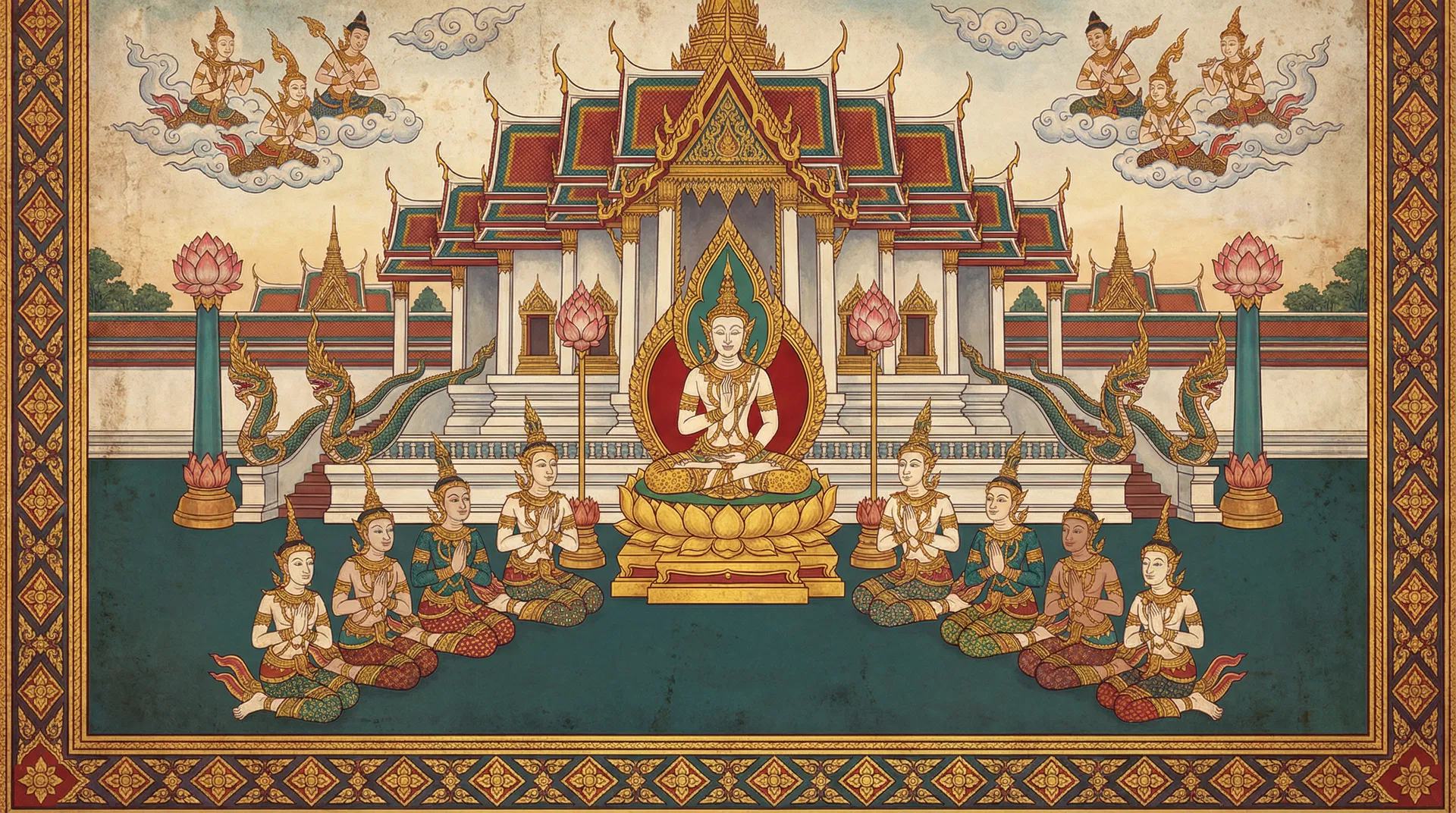 438Navakanipāta
Kusa Jataka
The Prince Who Loved the OutcastIn the kingdom of Kampila, ruled a king named Danta, a man of great ...
💡 True love and nobility of character transcend social status and prejudice. Acceptance, compassion, and unwavering loyalty are the foundations of a just and honorable union, capable of overcoming even the fiercest opposition.
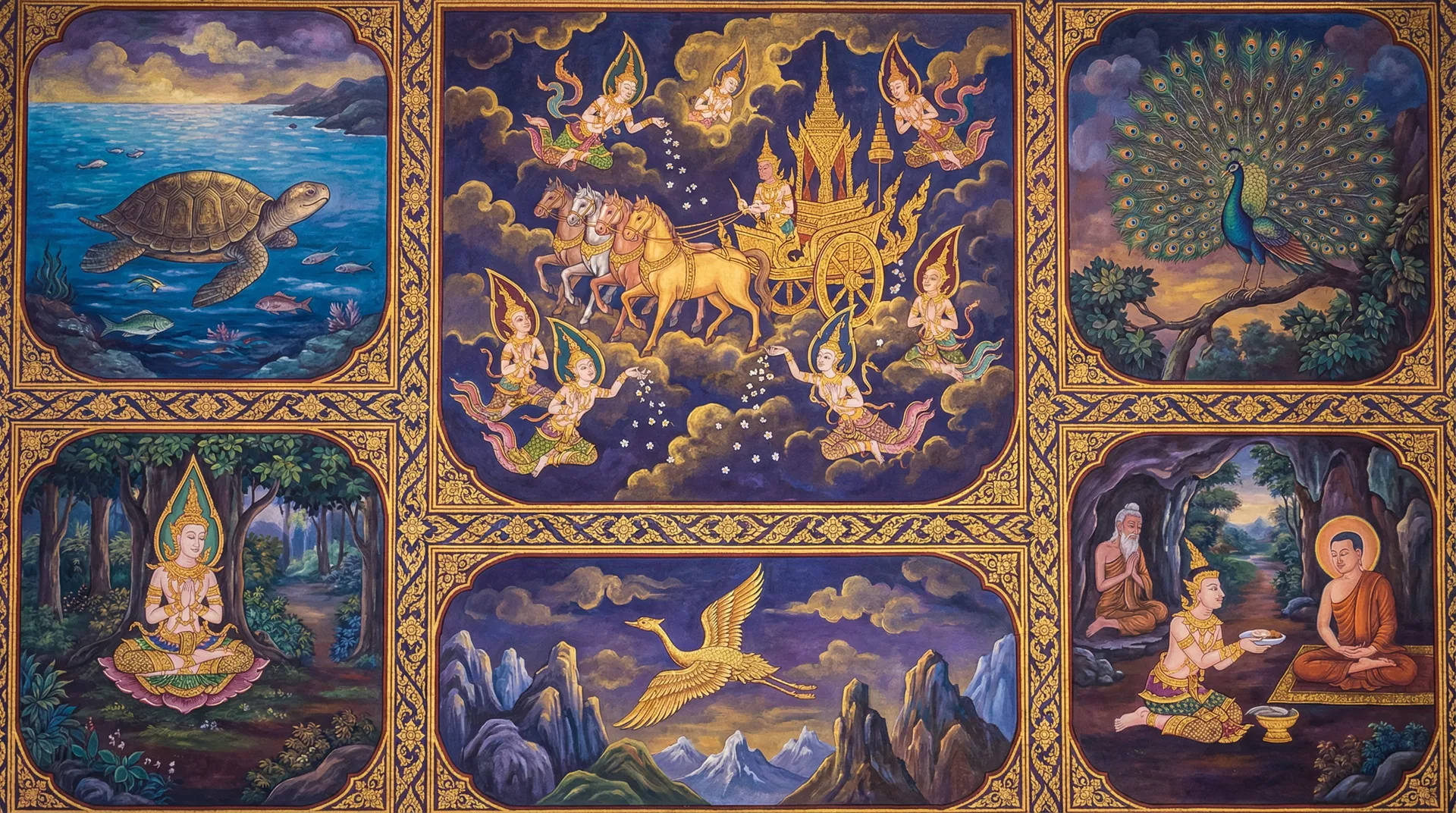 408Sattakanipāta
Mahosadha Jataka
Mahosadha Jataka In the grand city of Mithila, capital of the Videha kingdom, ruled King Janaka, a b...
💡 True wisdom lies not just in knowledge, but in the ability to apply it with cleverness, foresight, and a deep understanding of human nature to solve problems and bring about welfare for all.
 307Catukkanipāta
Sūci-Jātaka
The Needle's TaleIn the vibrant city of Kosambi, lived a king named Bhimasena. He was known for his ...
💡 True value is found not in the material itself, but in the skill, patience, and mindfulness with which it is used. Every action should be purposeful, flowing seamlessly into the next, minimizing waste and maximizing the impact of our efforts.
324CatukkanipātaKusa Jataka
Kusa JatakaIn the ancient kingdom of Mithila, there lived a king named Kusa. He was a wise and just ...
💡 Pride and anger lead to injustice and suffering. True strength and leadership are found in wisdom, compassion, patience, and the humility to admit one's mistakes and seek forgiveness.
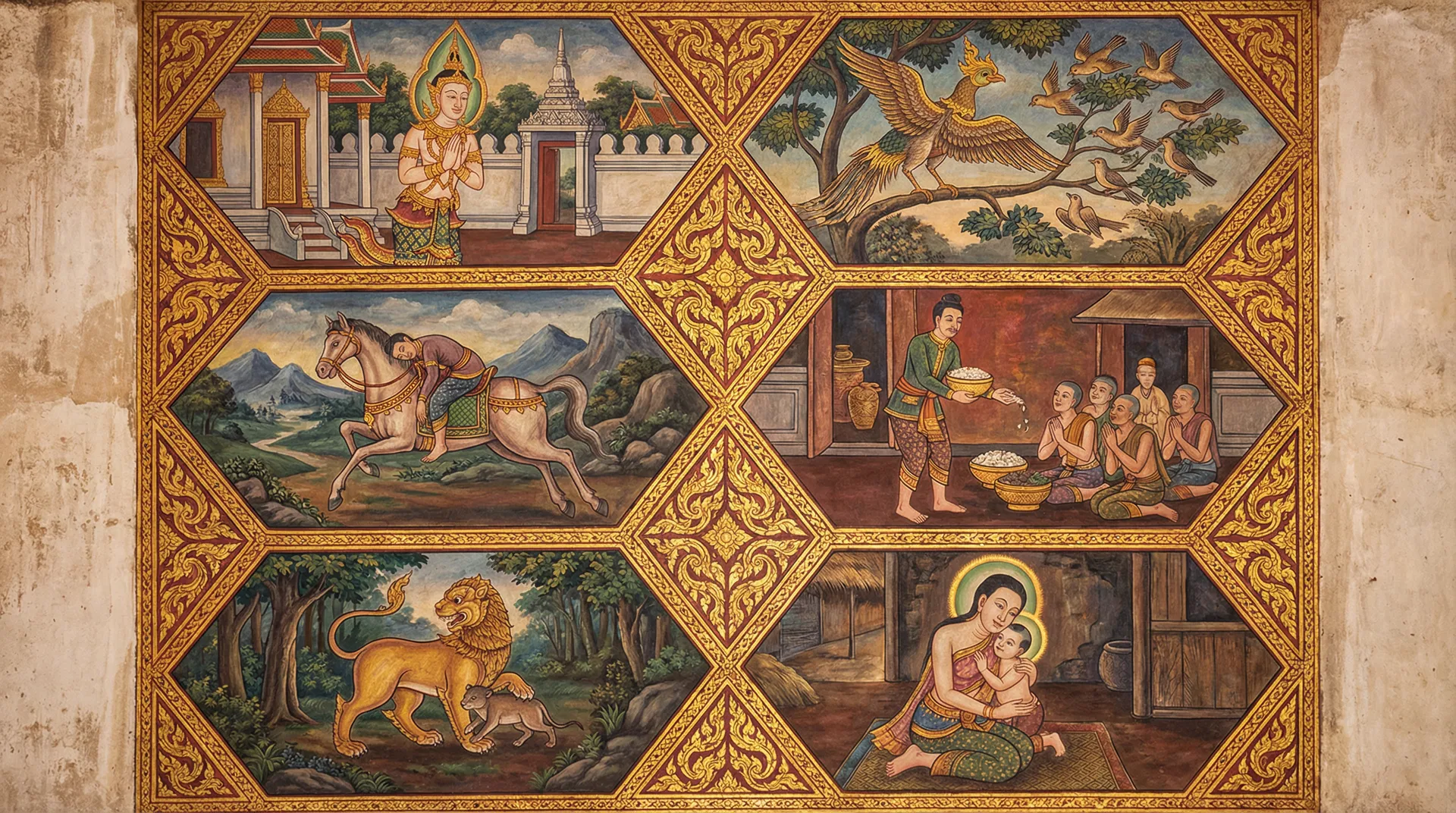 383Chakkanipāta
Nemi Jātaka
Nemi Jātaka In the glorious city of Mithila, renowned for its magnificent architecture and the wisdo...
💡 Understanding the consequences of actions (karma) through a clear vision of heavens and hells strengthens one's resolve to live a virtuous life and seek liberation from the cycle of rebirth.
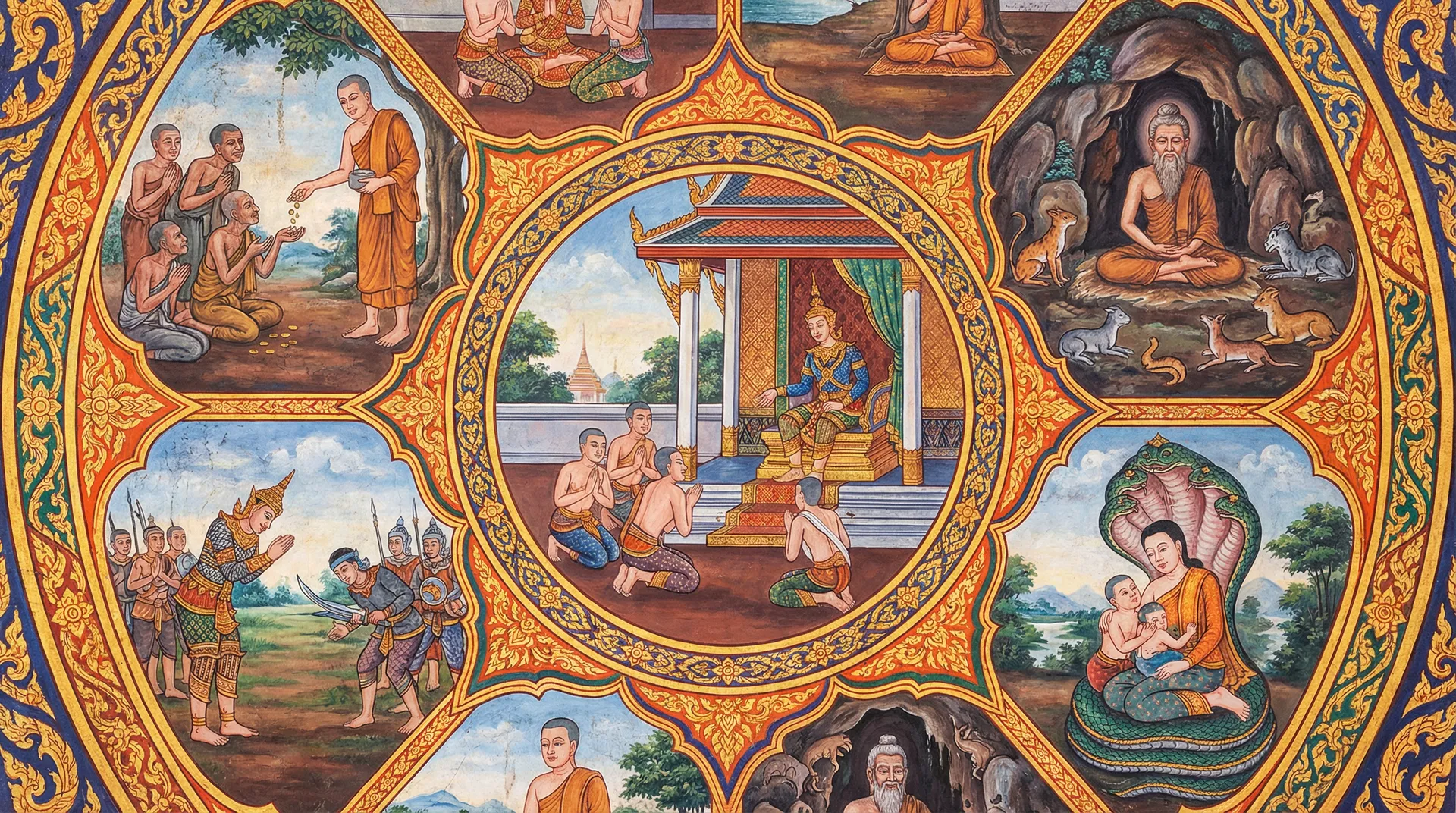 371Pañcakanipāta
Mugapakkha Jātaka
Mugapakkha JātakaIn the ancient kingdom of Varanasi, nestled beside the serene Ganges River, lived a...
💡 Beware of those who speak with honeyed words but harbor deceit in their hearts. True wisdom lies in discerning the hidden intentions behind actions.
— Multiplex Ad —