
Mātanga Jātaka
Mātanga Jātaka
In the ancient city of Mithila, there lived a young woman of unparalleled beauty and grace. Her name was Mātanga, and her loveliness was spoken of far and wide, drawing admirers from distant lands. Yet, Mātanga was not swayed by flattery or superficial attention. She possessed a sharp intellect and a deep yearning for knowledge and spiritual understanding. She spent her days studying ancient texts and engaging in philosophical discussions, finding true satisfaction in the pursuit of wisdom.
One day, a renowned Brahmin, known for his vast learning and his pride, arrived in Mithila. He had heard tales of Mātanga's beauty and her keen mind, and he was intrigued. He sought her out, intending to impress her with his knowledge and, perhaps, to find a worthy intellectual companion. Upon meeting Mātanga, he was indeed struck by her radiance, but he was also taken aback by her profound understanding of the scriptures, which surpassed his own in many respects.
The Brahmin, accustomed to being the most learned person in any gathering, felt his pride wounded. He decided that Mātanga, despite her beauty, was not truly worthy of his attention unless she acknowledged his superior intellect. He began to speak to her in a condescending manner, using complex philosophical terms and subtle arguments, hoping to confuse or intimidate her. He sought to belittle her, believing that her youth and beauty were a distraction from true scholarship.
Mātanga, the Bodhisatta in this life, listened patiently to the Brahmin's pronouncements. She recognized his arrogance and his insecurity beneath the veneer of scholarship. Instead of engaging in a heated debate or allowing herself to be provoked, she responded with quiet dignity and profound insight. She addressed his arguments with clarity and precision, exposing the flaws in his reasoning not with anger, but with gentle logic. She showed him that true wisdom is not about pride or dominance, but about humility, clarity, and the genuine pursuit of truth.
The Brahmin, expecting a display of feminine ignorance or defensiveness, was utterly disarmed by Mātanga's calm, intelligent, and compassionate response. Her words were like a cool balm, soothing his ruffled pride and opening his mind to a new perspective. He realized that his pursuit of knowledge had been tainted by ego, and that Mātanga, despite her outward appearance, possessed a wisdom that was both profound and pure.
He confessed his arrogance and apologized for his condescending attitude. "Forgive me, noble Mātanga," he said, his voice filled with genuine remorse. "I came here seeking to impress, but I have been humbled and enlightened by your wisdom. You have shown me that true learning is not a weapon to assert superiority, but a light to illuminate the path of understanding and compassion."
Mātanga, with her characteristic grace, accepted his apology. She encouraged him to continue his studies, but with a renewed focus on humility and the ethical application of knowledge. She emphasized that wisdom, when divorced from virtue, can become a source of pride and delusion.
The encounter left a lasting impression on the Brahmin. He returned to his studies with a changed heart, dedicating himself not only to intellectual pursuit but also to cultivating inner virtues. The story of Mātanga and the Brahmin became a powerful lesson in Mithila, illustrating that true intelligence is always accompanied by humility and compassion, and that outward appearances can often be deceiving. It taught that wisdom is not about knowing more than others, but about understanding oneself and the world with clarity and kindness.
— In-Article Ad —
💡Moral of the Story
True wisdom is accompanied by humility and compassion; superficial knowledge, when fueled by ego, leads to arrogance.
Perfection: Wisdom
— Ad Space (728x90) —
More Jataka Tales You May Enjoy
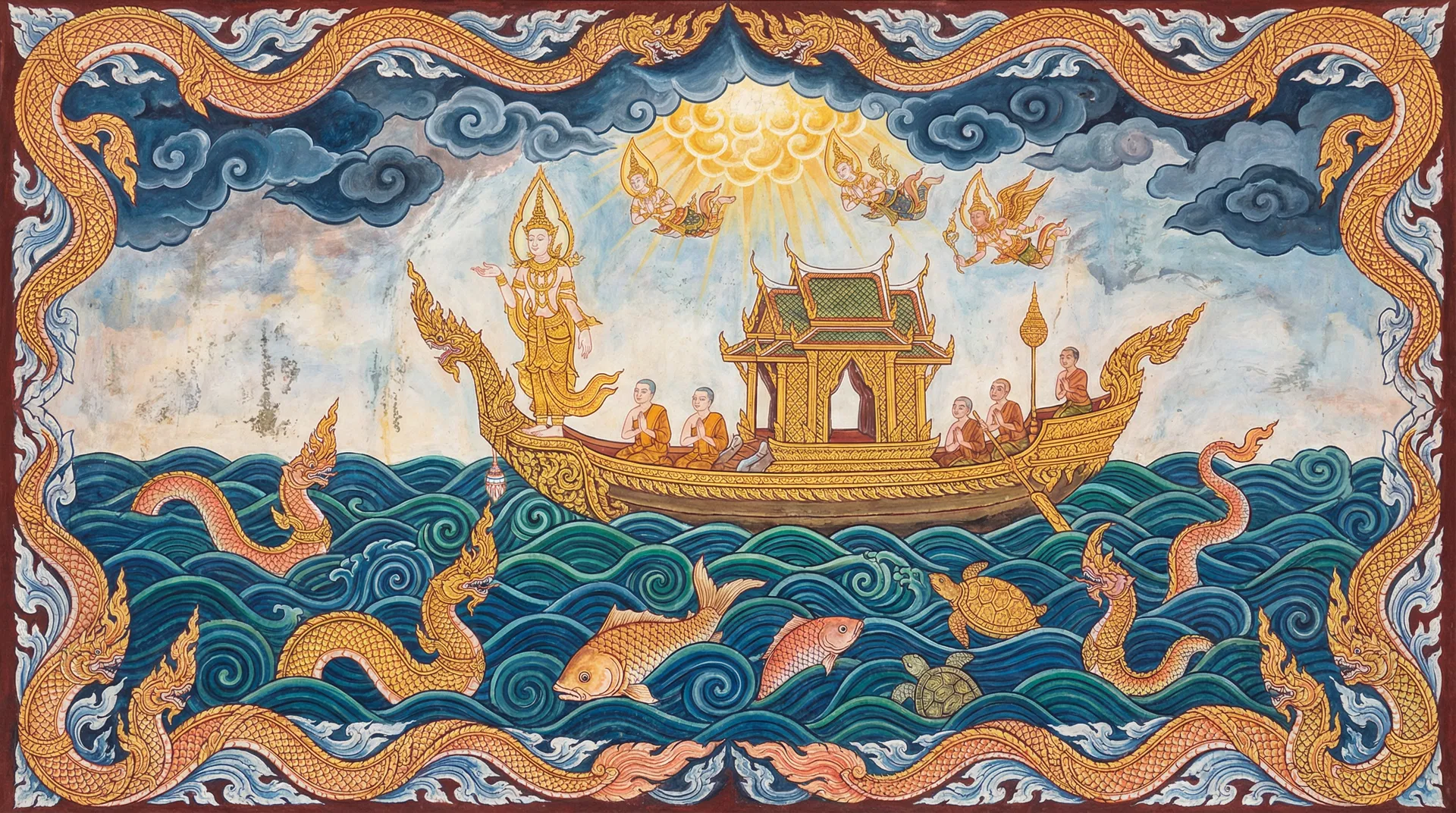 480Terasanipāta
Vessantara Jataka
Vessantara Jataka In the magnificent kingdom of Siwi, ruled a king named Sañjaya, a monarch of great...
💡 True generosity means sacrificing even the most precious possessions, including one's own children, for the sake of alleviating the suffering of others. This ultimate act of selflessness is the highest form of compassion.
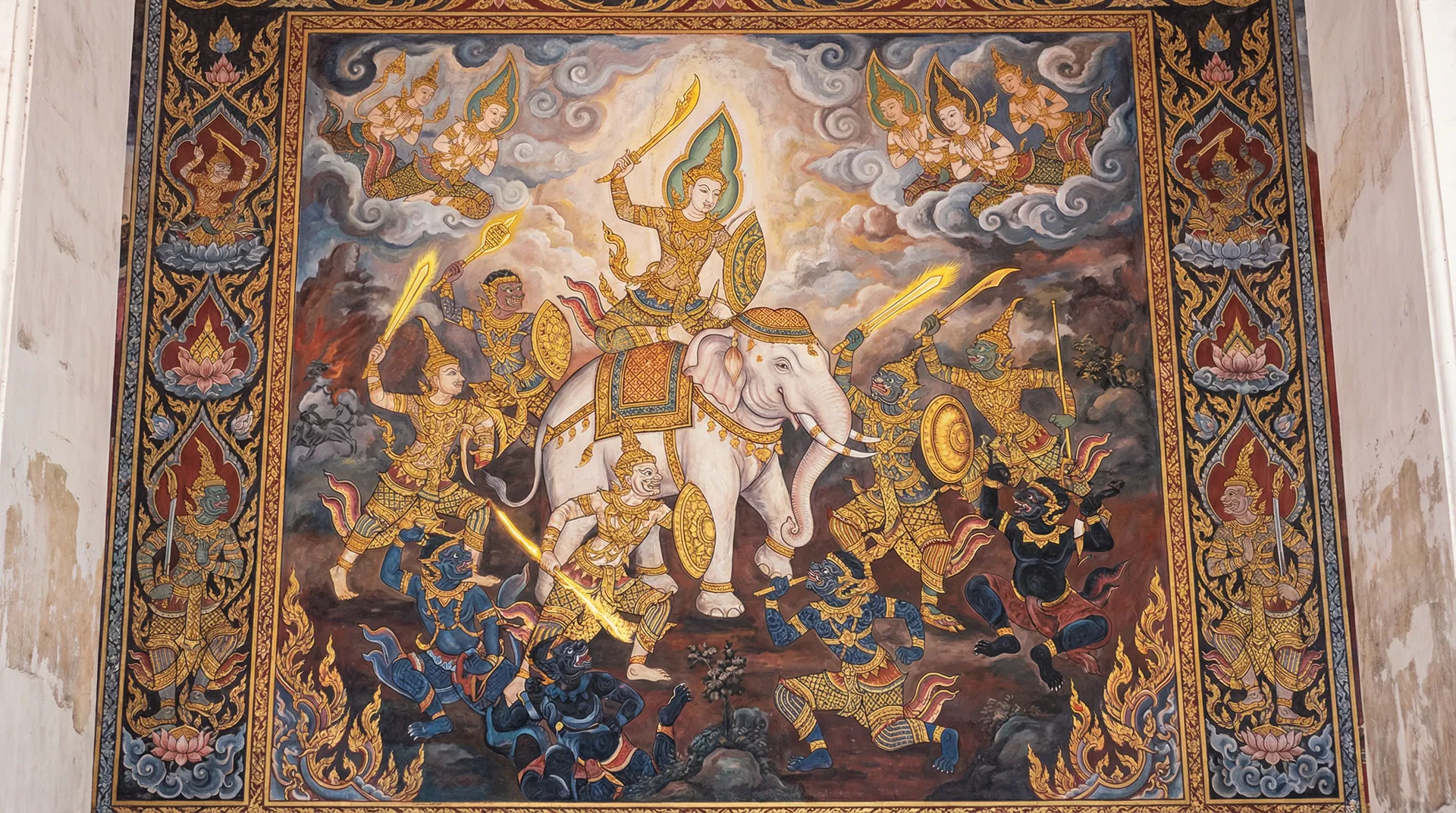 524Mahānipāta
Cullakapadaka Jataka
Cullakapadaka JatakaIn the flourishing city of Varanasi, the Bodhisatta was once born as a young asc...
💡 True wealth is not measured in material possessions but in inner contentment, wisdom, and detachment from greed. The greatest gift is the realization of one's own folly and the pursuit of inner peace.
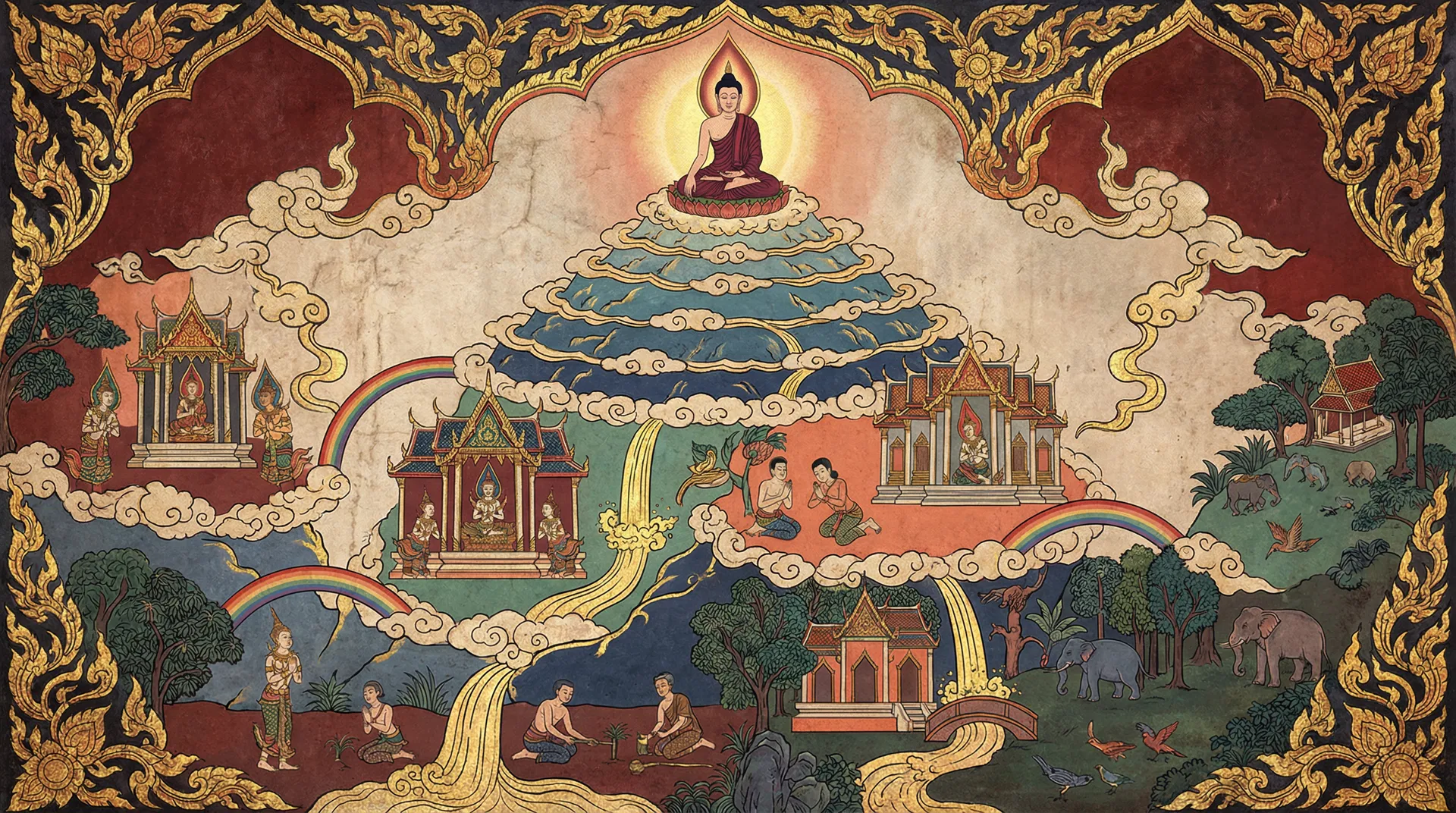 487Pakiṇṇakanipāta
Sutasoma Jātaka
Sutasoma JātakaIn the heart of the ancient kingdom of Kampilya, a kingdom famed for its magnificent ...
💡 True strength lies not in violence or the taking of life, but in unwavering compassion, understanding, and the courage to break cycles of suffering through acts of profound kindness and non-violence.
 369Pañcakanipāta
MULAKAPAKSIYA JATAKA
MULAKAPAKSIYA JATAKAIn the vast and verdant forests of India, where ancient trees whispered secrets ...
💡 Pride and overconfidence can lead to great danger. True strength lies in wisdom, caution, humility, and collective effort. Learning from mistakes and cooperating with others are essential for survival and well-being.
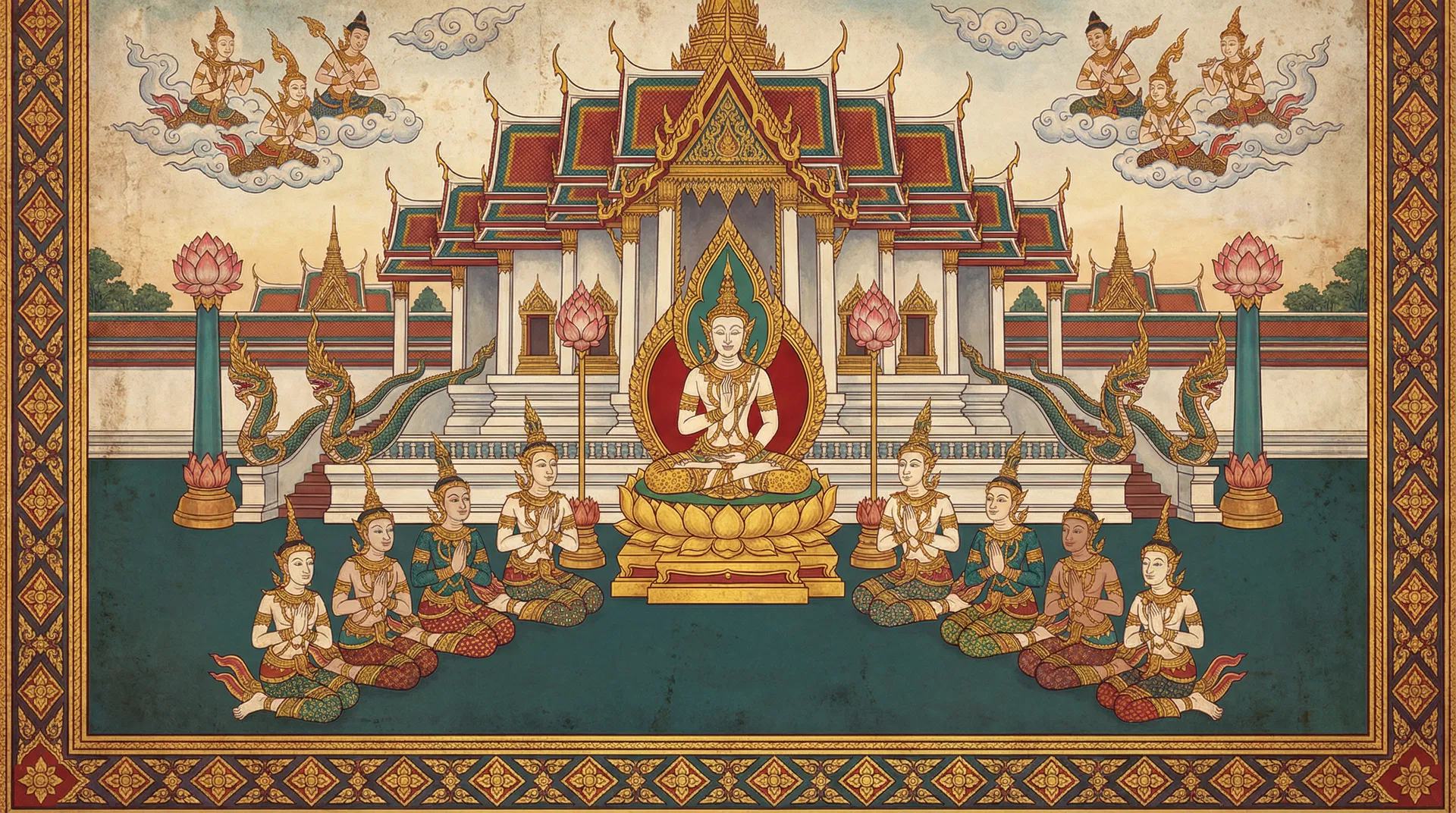 427Navakanipāta
Sakuna Jataka
The Tale of the Virtuous Bird In the heart of a dense forest, where ancient trees reached for the sk...
💡 Compassion, selflessness, and the accumulation of spiritual merit have the power to overcome great adversity and benefit all beings. In times of crisis, unity and shared good deeds are far more powerful than anger and division.
 452Dasakanipāta
Sattigumba Jātaka
The Spear-Bearer's Grove Jātaka (Sattigumba Jātaka) In the flourishing kingdom of Kosala, lived a pr...
💡 True solutions often lie in understanding and working with nature's principles, rather than resorting to superficial rituals or force. Resourcefulness, respect for natural balance, and equitable sharing are key to overcoming hardship.
— Multiplex Ad —