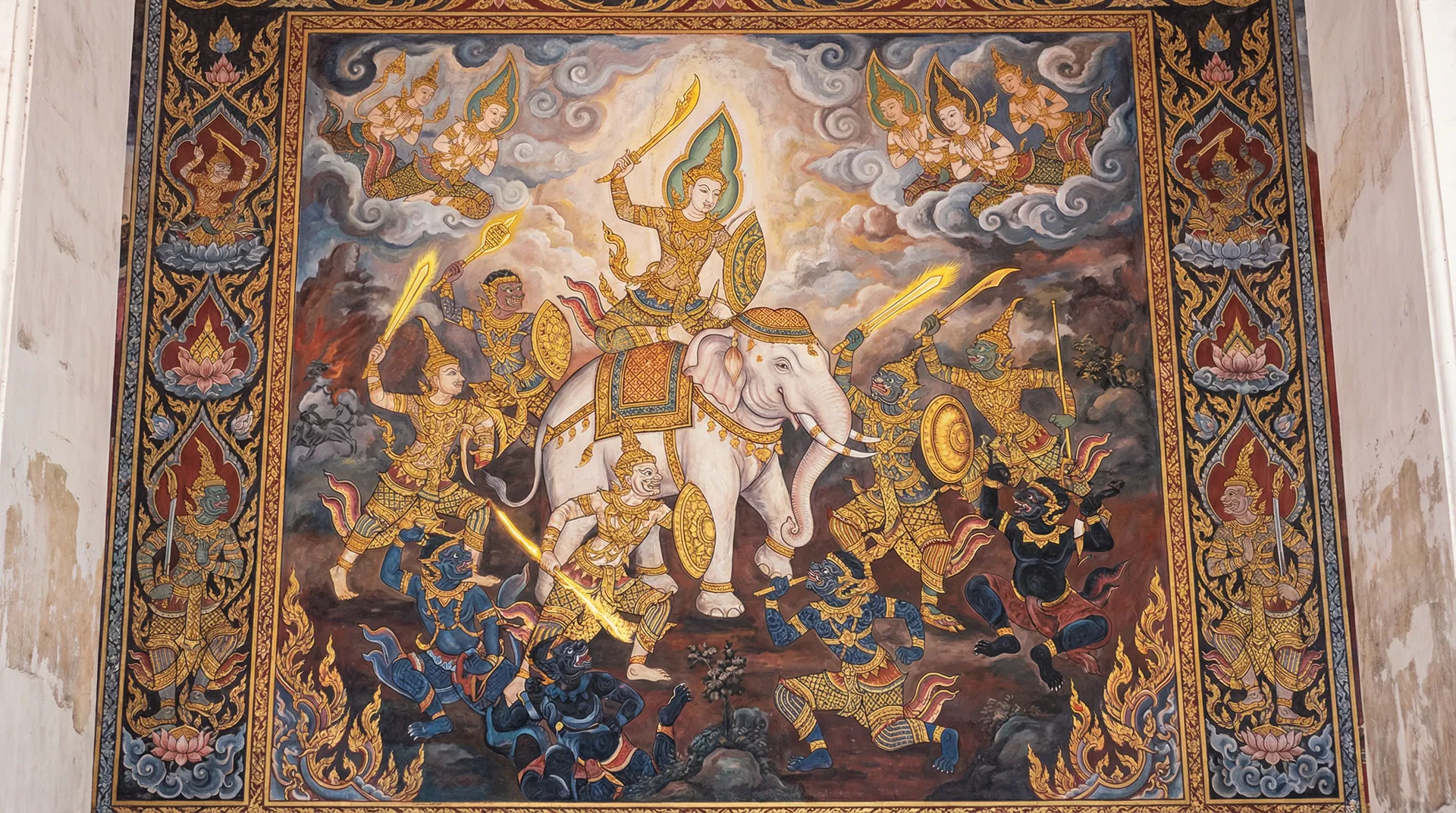
Mahasutasoma Jataka
Mahasutasoma Jataka
In the vibrant city of Savatthi, the Bodhisatta was once born as a prince named Mahasutasoma. He was the son of King Brahmadatta, a ruler known for his righteousness and his dedication to the Dharma. Prince Mahasutasoma was renowned not only for his princely virtues – his courage, intelligence, and kindness – but also for his extraordinary adherence to the truth. He had taken a solemn vow never to utter a lie, a commitment that guided his every word and action.
As the prince grew, his reputation for unwavering truthfulness spread far and wide. This virtue, however, was to lead him into a perilous situation. In the neighboring kingdom of Pancala, ruled a cruel and deceitful king named Okkaka. King Okkaka was a man consumed by envy and hatred, particularly towards King Brahmadatta and his virtuous son.
One day, King Okkaka, driven by malice, devised a wicked plan. He sent a messenger to the court of Savatthi with a deceptive message. The messenger, a cunning rogue, approached King Brahmadatta and declared, “Your Majesty, my king, Okkaka, sends his greetings. He has heard of your son, Prince Mahasutasoma, and his legendary adherence to truth. King Okkaka wishes to test this renowned virtue. He proposes a contest: if your son can answer a single riddle, his truthfulness will be proven beyond doubt. If he fails, then it will be known that his reputation is hollow.”
King Brahmadatta, trusting in his son’s integrity, agreed. The riddle was presented: “What is the one thing that, when given away, becomes greater?”
Prince Mahasutasoma, upon hearing the riddle, understood the trap laid by the envious King Okkaka. He knew that any answer, if not delivered with absolute truth and clarity, could be twisted to appear false. He paused for a moment, contemplating the profound nature of the question. He looked at his father, the king, and then at the expectant faces of the court. He knew his vow was paramount.
“Father,” the Prince began, his voice resonating with clarity, “the answer to King Okkaka’s riddle is ‘a lie’.”
A ripple of surprise went through the court. Some murmured in confusion, others in admiration. King Brahmadatta, however, understood the depth of his son’s wisdom. When a lie is told, it is merely a single falsehood. But when one chooses to speak the truth, especially when tempted to lie, that truth becomes amplified by the act of sacrifice it represents. The truth spoken in the face of temptation is a powerful, greater entity than the fleeting lie that is avoided.
The messenger, however, was a pawn of King Okkaka’s treachery. He had been instructed to declare the Prince’s answer as incorrect, regardless of its validity. “The Prince’s answer is wrong!” the messenger proclaimed, his voice sharp. “King Okkaka declared the answer to be ‘a loan’. For when you give away a loan, the debt remains, and often grows with interest, thus becoming greater.”
The court was thrown into disarray. King Brahmadatta knew his son spoke the truth, but the cunning messenger had twisted the narrative. Enraged by the deceit, King Brahmadatta prepared to send his armies to confront Okkaka. But Prince Mahasutasoma intervened.
“Wait, Father,” the Prince said calmly. “Let us not resort to violence. King Okkaka seeks to trap me through my vow. Perhaps there is another way.”
The Prince, understanding that his reputation for truth was being deliberately undermined, decided to confront King Okkaka himself. He requested permission to travel to Pancala, accompanied only by his loyal charioteer, Vessantara (a wise and devoted companion who would later be known for his own acts of immense generosity). King Brahmadatta, though worried, reluctantly agreed, knowing his son’s resolve.
Upon arriving in Pancala, Prince Mahasutasoma was brought before King Okkaka. The cruel king sat on his throne, a smug smile playing on his lips. “So, the truthful prince has come,” Okkaka sneered. “Did you finally realize the power of a lie?”
Prince Mahasutasoma stood tall. “I have come to understand your game, King Okkaka. You seek to break my vow through deceit. But my vow is not just about speaking words; it is about the integrity of intention. My answer, ‘a lie,’ was true because the act of sacrificing truth for a lie makes the avoided truth greater. Your answer, ‘a loan,’ is merely a clever manipulation of words, not a reflection of genuine virtue.
King Okkaka, furious at being exposed, ordered the Prince’s arrest. He intended to imprison Mahasutasoma and torture him until he confessed that he had lied. The Prince was thrown into a dungeon, but even in captivity, he held fast to his vow. He refused to speak a single untruth, even to save himself.
News of the Prince’s predicament reached Savatthi. King Brahmadatta was distraught. He knew his son would not break his vow, but he feared for his life. The Bodhisatta, in his wisdom, knew that the situation required a demonstration of ultimate virtue to overcome such profound malice.
The Prince, in his dungeon, reflected on the nature of sacrifice. He realized that his vow of truth, while noble, should not lead to the suffering of his father or his kingdom. He made a profound decision. He would offer himself, not as a victim of Okkaka’s cruelty, but as a willing sacrifice to end the conflict and expose Okkaka’s wickedness.
He managed to send a message to King Okkaka: “I understand your envy. I will offer you a gift, a gift of immense value, if you promise to release my father and cease your hostilities.”
Okkaka, intrigued by the offer of a gift, agreed. Prince Mahasutasoma, with the help of his charioteer Vessantara, prepared his final offering. He presented himself to King Okkaka, not as a prisoner, but as a willing sacrifice. “I offer you my life, King Okkaka,” the Prince declared, his voice clear and unwavering. “Take it, and in return, promise to live in peace and abandon your malice. Let my life be the price for peace between our kingdoms.”
King Okkaka, faced with such an extraordinary act of selflessness, was struck by awe and a sliver of shame. He had intended to break the Prince’s spirit, but instead, he was confronted with the ultimate expression of virtue. He realized the emptiness of his own hatred. The Prince’s willingness to give his life for peace, and for the sake of his vow, was a testament to a power far greater than his own cruelty.
Overwhelmed, King Okkaka renounced his wicked intentions. He released Prince Mahasutasoma, apologized for his deceit, and vowed to live in peace. He recognized that the Prince’s adherence to truth, even unto death, was a virtue that transcended all worldly power. The Mahasutasoma Jataka teaches that the commitment to truth, when accompanied by wisdom and compassion, can overcome even the most deeply rooted malice. The Bodhisatta’s willingness to sacrifice himself for peace and truth demonstrated the highest form of courage and integrity, inspiring all to uphold truth, even in the face of adversity.
— In-Article Ad —
💡ၶေႃႈသွၼ်
ความซื่อสัตย์คือสมบัติอันประเสริฐ และผลของกรรมไม่เคยหนีพ้น
ပႃႇရမီႇ: เมตตา
— Ad Space (728x90) —
ၸႃႇတၵဢၼ်ၼႃႈသူၼ်ၸႂ်
 254Tikanipāta
သူရိယေႃးၐောတၑာဒက (ပၑၑၐၐ)
ၵႄၑၑၑၑၑၑၑၑၑၑၑၑၑၑၑၑၑၑၑၑၑၑၑၑၑၑၑၑၑၑၑၑၑၑၑၑၑၑၑၑၑၑၑၑၑၑၑၑၑၑၑၑၑၑၑၑၑၑၑၑၑၑၑၑၑၑၑၑၑၑၑၑၑၑၑၑၑၑၑၑၑၑၑၑၑၑၑၑၑၑၑၑၑၑၑၑၑၑ...
💡 การ ฟังธรรมย่อมเกิดปัญญา แต่ปัญญานั้นจะสมบูรณ์ได้ ก็ต่อเมื่อผู้ฟังละทิ้งอคติ ความถือตัว และพิจารณาธรรมด้วยใจที่บริสุทธิ์ การยึดติดในตนเอง หรือการมองผู้อื่นด้วยสายตาที่ตัดสิน จะเป็นอุปสรรคต่อการรับรู้สัจธรรม
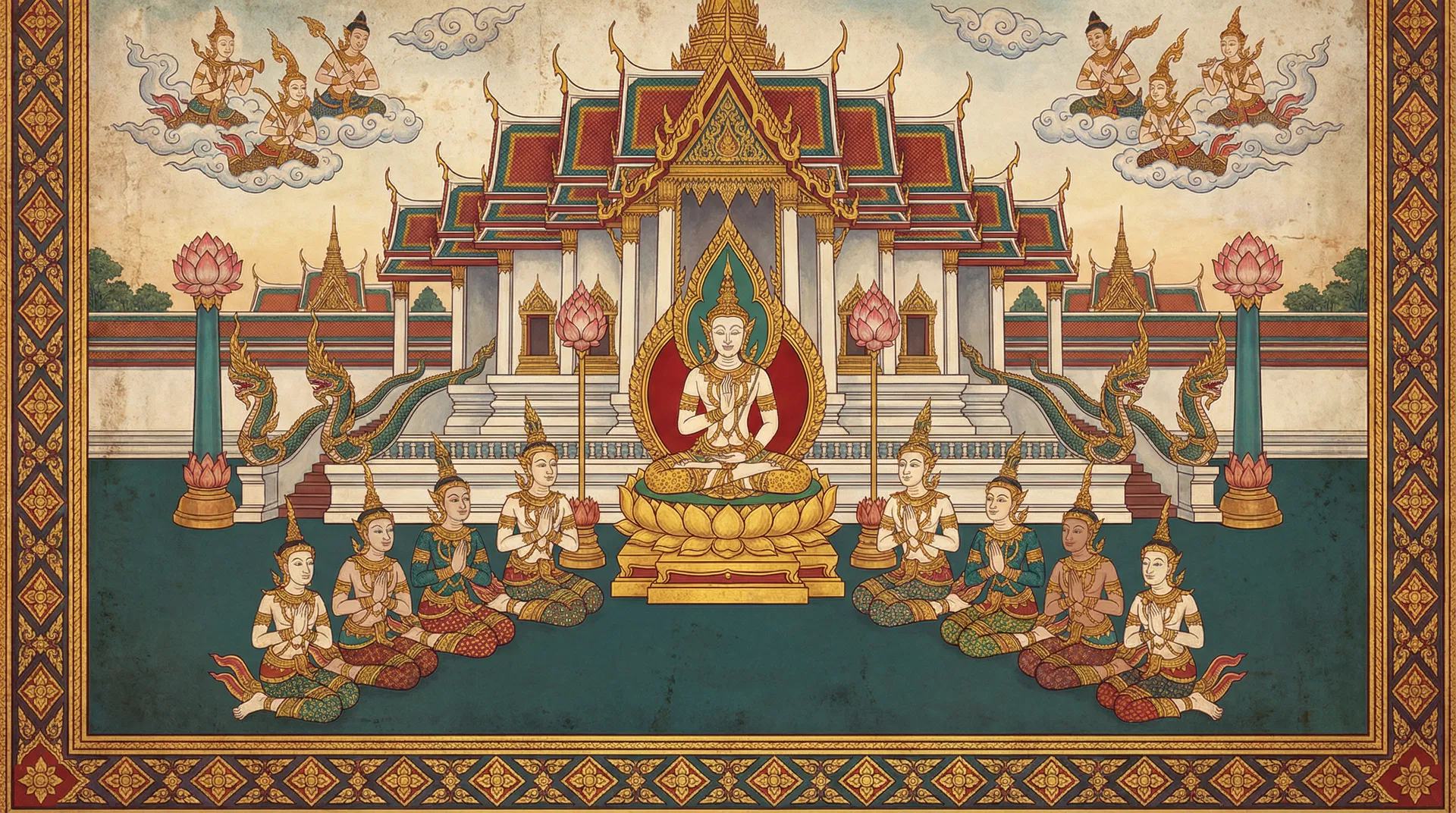 434Navakanipāta
Mahasutasoma Jataka
Mahasutasoma JatakaIn the prosperous city of Indapatta, nestled in the heart of a vast and ancient l...
💡 การช่วยเหลือผู้อื่นที่ตกทุกข์ได้ยาก โดยไม่หวังสิ่งตอบแทน เป็นการกระทำอันประเสริฐ การมีเมตตาธรรมนำมาซึ่งความสงบสุข และการให้อภัยเป็นสิ่งสำคัญที่ทำให้เกิดความสามัคคี
 249Dukanipāta
မႁႃ႘ၼႃ႐ၵ႗ ၸႊတၵ႗
မႁႃ႘ၼႃ႐ၵ႗ ၸႊတၵ႗ ဢႃ႘႐႑႘ ၼႂ် ၽူ႘ႊ မႃ႐႘ ၵႂ်႑႘ ၵႂ်႘႑ ဢႃ႘႐႑႘ ဢႃ႘႐႑႘ ၵႂ်႘႑ ဢႃ႘႐႑႘ ဢႃ႘႐႑႘ ၵႂ်႑႘ ၵႂ်႘႑ ဢႃ႘႐...
💡 ႁၵ်ႉလႄႈပၼ်ၼႃးပဵၼ်သူၼ် ၵႃးၸႃးၼႃးပဵၼ်လူႉ
 97Ekanipāta
The Tale of the Ancient Swan
In the city of Savatthi, while the Buddha resided at the Jetavana Monastery, he recounted a past lif...
💡 ความฉลาด ความซื่อสัตย์ และความเมตตาเป็นคุณธรรมที่นำมาซึ่งความสุขและความเจริญทั้งแก่ตนเองและผู้อื่น
120EkanipātaSibi Jataka
Sibi Jataka In the ancient kingdom of Sibi, nestled amidst fertile plains and blessed with bountiful...
💡 การไม่ยินดีในลาภสักการะ
61EkanipātaThe Tale of the Self-Sacrificing Crane
The Tale of the Self-Sacrificing Crane In the ancient kingdom of Mithila, nestled amidst verdant pl...
💡 การเสียสละเพื่อส่วนรวม ย่อมนำมาซึ่งความผาสุกและความเจริญรุ่งเรือง
— Multiplex Ad —