
The Bodhisatta as the Bodhi Tree
The Bodhisatta as the Bodhi Tree
In a tranquil corner of the great forest, where the air was thick with the scent of damp earth and blooming jasmine, stood a magnificent Bodhi tree. This was no ordinary tree; it was the Bodhisatta, in a form that embodied patience, resilience, and unwavering generosity. Its roots delved deep into the earth, anchoring it firmly, while its branches reached towards the heavens, adorned with countless leaves that whispered secrets to the wind. The shade it cast was cool and inviting, a sanctuary for all creatures, big and small. Birds nested in its boughs, squirrels scurried up its trunk, and weary travelers often rested beneath its benevolent canopy. The forest around it was a vibrant tapestry of life, teeming with the sounds of nature's symphony.
For countless years, the Bodhi tree provided solace and sustenance. Its fallen leaves nourished the soil, its fruits fed the hungry, and its shade offered respite from the scorching sun. It asked for nothing in return, content to simply exist and to serve.
One day, a group of woodcutters, their faces grim and their axes sharp, entered the forest. They had been hired by a greedy merchant who sought to build a grand palace, and he had set his sights on the most magnificent tree he could find – the Bodhi tree. The woodcutters, though hesitant to harm such a sacred and benevolent being, were bound by their duty and the promise of payment.
As they approached, their axes glinting menacingly, the Bodhi tree remained still, its leaves rustling softly, as if in greeting. It felt the fear of the birds in its branches and the apprehension of the smaller creatures seeking refuge around its base. Yet, it did not tremble. It had witnessed the cycle of life and death for eons, and it understood the impermanence of all things.
The lead woodcutter, a man named Kashi, stepped forward, his heart heavy. He had often rested in the shade of this very tree. "Forgive us, noble tree," he murmured, his voice thick with emotion. "We have been commanded to fell you."
The Bodhi tree, in its silent way, seemed to emanate a sense of peace. It did not cry out, nor did it plead. It simply stood, its magnificent form exuding an aura of quiet strength.
As Kashi raised his axe, a flock of birds, their nests built within the tree's branches, took flight in a flurry of wings, their agitated chirping filling the air. A family of monkeys, their home in the upper boughs, chattered nervously, their eyes wide with alarm. The Bodhi tree, sensing their distress, seemed to deepen its shade, as if to shield them from the impending danger.
Kashi hesitated. He saw the fear in the eyes of the creatures that depended on the tree. He saw the inherent goodness that radiated from its very being. He looked at his axe, and then at the wise, ancient trunk of the Bodhi tree. "Brothers," he said to his companions, his voice firm, "we cannot do this. This tree is more than just wood. It is a sanctuary, a giver of life. To fell it would be a grave sin."
The other woodcutters, who had also felt the tree's benevolent presence, nodded in agreement. "You are right, Kashi," one of them said. "We have never seen a tree so alive with goodness. We cannot harm it."
They lowered their axes, their hearts filled with a newfound respect. They turned and left the forest, their mission unfulfilled, their consciences clear. They returned to the merchant and explained their refusal, their words filled with the reverence they felt for the Bodhi tree.
The merchant, enraged by their defiance, threatened them, but the woodcutters stood their ground. They knew they had made the right choice. The Bodhi tree, sensing the danger had passed, rustled its leaves in gratitude, its shade once again a comforting embrace. The birds returned to their nests, and the monkeys played in its branches, their fear replaced by a sense of security.
The merchant, unable to find anyone else willing to fell the sacred tree, eventually abandoned his plan for the palace. The Bodhi tree continued to stand, its roots deepening, its branches spreading, a symbol of enduring patience, unwavering generosity, and the profound interconnectedness of all life. It remained a haven for the creatures of the forest, a silent testament to the power of choosing compassion over greed, and the inherent value of all beings, even those that cannot speak.
— In-Article Ad —
💡Moral of the Story
True patience and generosity are unwavering, offering sanctuary and life, and inspire others to choose compassion over destruction.
Perfection: Patience
— Ad Space (728x90) —
More Jataka Tales You May Enjoy
 234Dukanipāta
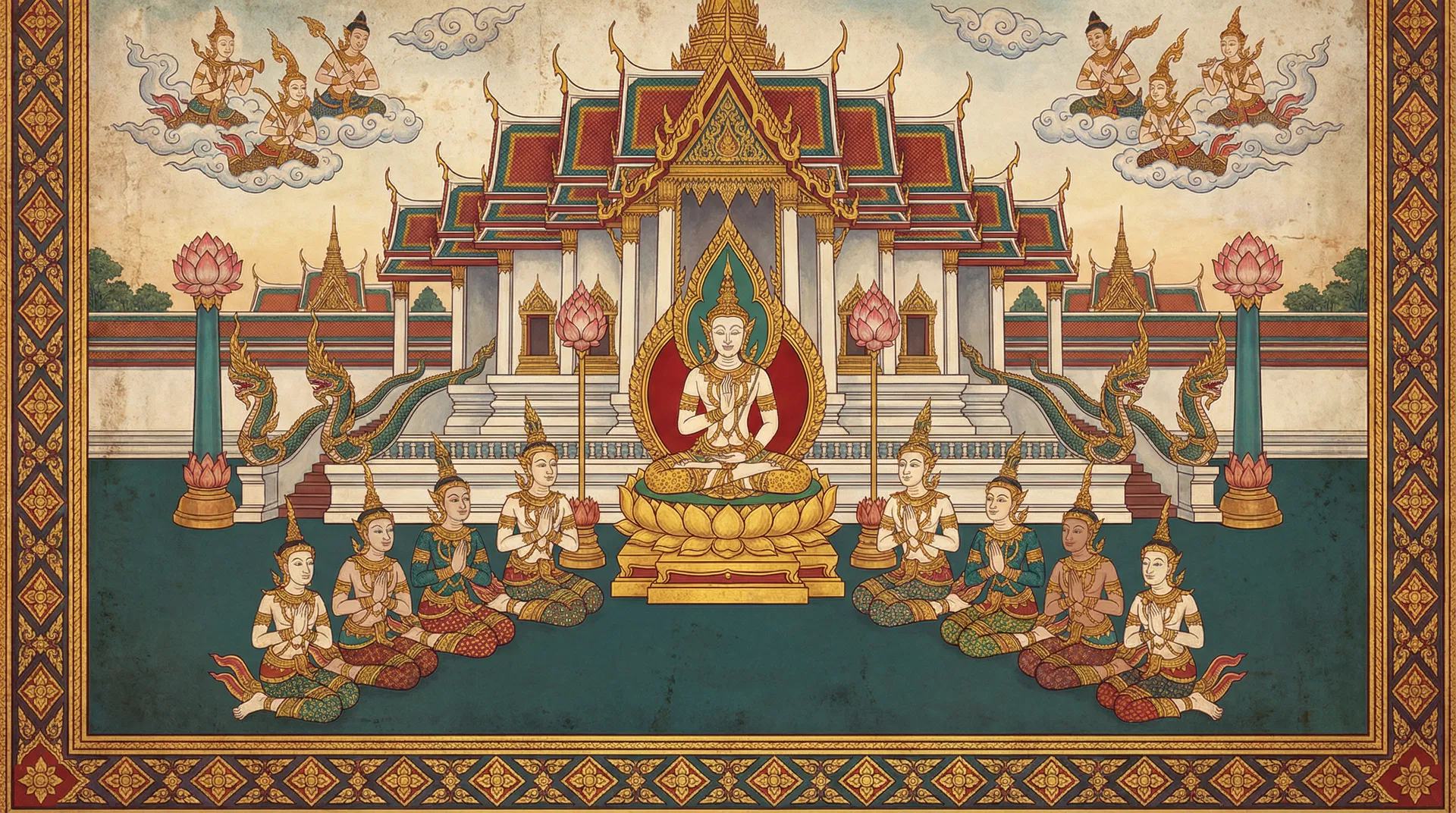
Phra Ong Thammachak (The Bodhisatta as a Sage Who Established Justice)
Phra Ong Thammachak (The Bodhisatta as a Sage Who Established Justice) In the ancient land of Gandha...
💡 True justice is the foundation of a prosperous and harmonious society. Leadership must be guided by wisdom, compassion, and truth, ensuring fairness and equity for all.
 438Navakanipāta
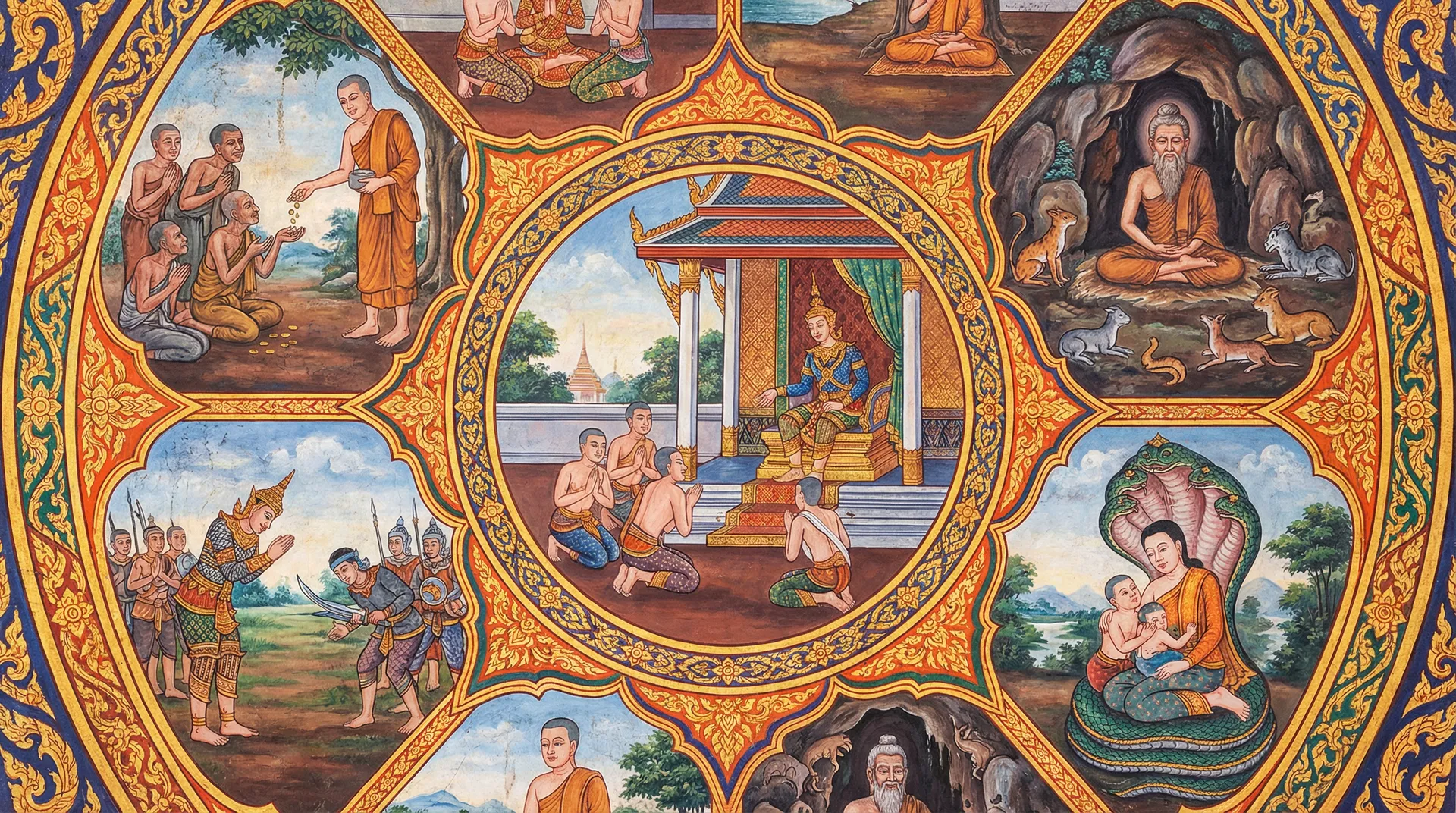
Kusa Jataka
The Prince Who Loved the OutcastIn the kingdom of Kampila, ruled a king named Danta, a man of great ...
💡 True love and nobility of character transcend social status and prejudice. Acceptance, compassion, and unwavering loyalty are the foundations of a just and honorable union, capable of overcoming even the fiercest opposition.
 362Pañcakanipāta
Mahāsujava Jātaka
Mahāsujava JātakaIn a time long past, when gods and humans walked more closely, there flourished a g...
💡 True wealth and power lie not in material possessions or brilliant artifacts, but in the purity of one's heart, the cultivation of virtue, and selfless dedication to the well-being of others. Profound acts of generosity and unwavering adherence to righteousness can invoke positive forces and bring about miraculous solutions.
 296Tikanipāta
Kacchapa Jataka
The Kacchapa Jataka: The Steadfast Tortoise In the ancient land of Mithila, ruled by a wise and just...
💡 True strength lies not in avoiding hardship, but in enduring it with steadfastness, patience, and unwavering hope. Compassion and perseverance can inspire even the most pragmatic to choose a more humane path.
366PañcakanipātaKUKKURA JATAKA
KUKKURA JATAKALong ago, in a kingdom nestled beside a sparkling river, there lived a king renowned f...
💡 True loyalty is an intrinsic quality, not merely a result of training. It stems from love, trust, and a genuine bond, and can manifest in unexpected ways, even leading to acts of selflessness.
71EkanipātaThe Jataka of the Clenched Fist
In a time long past, in the prosperous city of Varanasi, the Bodhisatta was born as a young Brahmin ...
💡 True leadership lies in protecting the vulnerable, even at great personal risk.
— Multiplex Ad —