
Nimi Jataka
Nimi Jataka
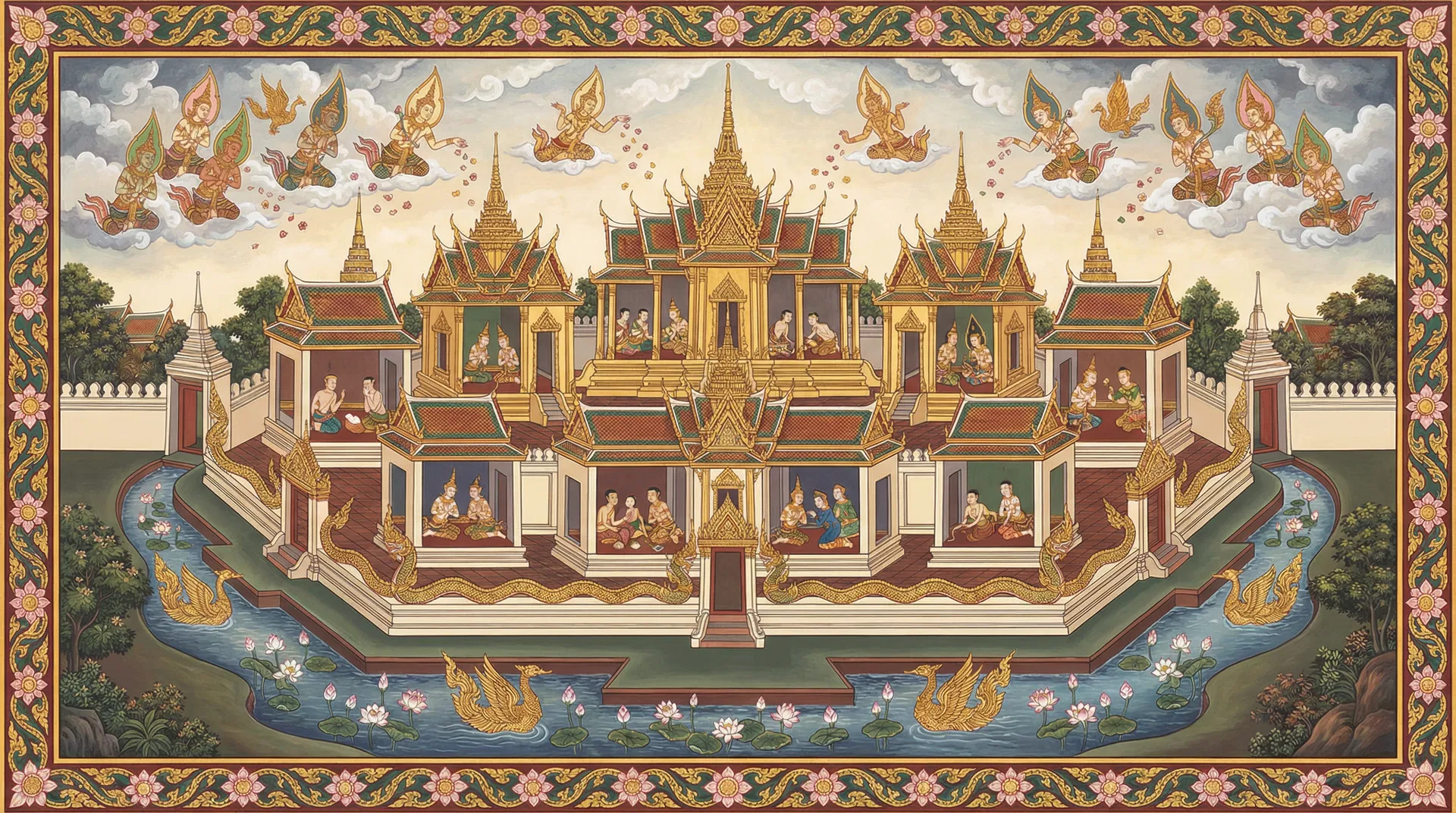
Long ago, in the heart of the magnificent city of Mithila, ruled a just and benevolent king named Nimi. His reign was a golden age, marked by prosperity, peace, and unwavering adherence to righteousness. King Nimi, a man of profound wisdom and compassion, was deeply devoted to the practice of generosity and upheld the moral precepts with utmost diligence. His kingdom thrived, his people were happy, and his reputation for virtue spread far and wide.
One day, the great god Sakka, king of the devas, descended from his celestial abode to visit King Nimi. Sakka, observing the king’s exemplary conduct and the serene atmosphere of his kingdom, was deeply impressed. He appeared before Nimi in a dazzling display of divine radiance, announcing, 'O King, your virtues shine as brightly as the sun. I have come to offer you a boon, anything your heart desires, for you have earned it through your merit.'
King Nimi, ever humble, bowed his head in reverence. 'Great Sakka,' he replied, 'I am content with my life and my kingdom. I desire no personal gain. However, if you insist, I would ask for a boon that would benefit not only myself but all beings.' Sakka, intrigued, inquired, 'What boon do you seek, O King?'
Nimi’s eyes sparkled with earnestness. 'I wish,' he declared, 'that the heavens be opened to all virtuous beings. Let the path to the celestial realms be paved with good deeds, so that those who follow the path of righteousness may attain the bliss of the gods. Let this be my boon: that the principles of Dharma be universally understood and practiced, leading all beings to happiness both in this life and in the next.'
Sakka was astonished by the king's selfless wish. 'Your wish is noble, King Nimi,' he proclaimed. 'Though it is beyond my power to grant such a universal transformation, I shall bestow upon you the knowledge of the heavenly realms and the path to reach them. You shall become a guide for mortals, teaching them the way to attain divine happiness through their own actions.'
With these words, Sakka imparted to King Nimi a profound understanding of the celestial realms, the nature of karma, and the virtues that lead to spiritual liberation. He revealed the intricate workings of cause and effect, the rewards of generosity, compassion, ethical conduct, and the cultivation of wisdom.
King Nimi, now imbued with divine knowledge, returned to his kingdom with a renewed sense of purpose. He gathered his people, from the humblest farmer to the highest minister, and began to teach them the profound truths he had learned. He spoke of the importance of selfless service, of speaking kind words, of abstaining from harm, and of cultivating a mind free from greed, hatred, and delusion.
He established institutions dedicated to charity and relief, ensuring that the poor and the sick were cared for. He encouraged open dialogue and honest counsel, fostering an environment where truth and integrity flourished. He himself lived by the principles he preached, his actions a living testament to the Dharma.
As Nimi taught, his people listened with rapt attention. They saw the wisdom in his words and the purity in his example. They began to embrace the teachings, transforming their lives and their society. The kingdom of Mithila became a beacon of righteousness, a place where virtue was not merely a concept but a way of life.
News of King Nimi's teachings and the flourishing state of his kingdom reached even the heavens. Sakka, observing from above, was filled with admiration. He saw that while he could not directly open the heavens for all, King Nimi, through his wisdom and compassion, had indeed paved the way for his people to ascend through their own merits.
One day, as King Nimi grew old, he felt the call of a higher existence. He had fulfilled his duty as a king and as a teacher. With a peaceful heart, he retired from his worldly responsibilities and, through the immense merit he had accumulated, he ascended to the celestial realms, not as a mere mortal visitor, but as a respected and revered being among the devas. He continued to guide and inspire those who sought the path of righteousness, his legacy echoing through the ages.
The story of King Nimi spread far and wide, a timeless reminder that the path to true happiness and celestial bliss lies not in magical interventions, but in the diligent cultivation of virtue, compassion, and wisdom within one's own heart and actions.
— In-Article Ad —
💡Moral of the Story
The path to true happiness and spiritual elevation is paved by one's own virtuous actions, guided by wisdom and compassion.
Perfection: Generosity (Dana), Morality (Sila), Wisdom (Panna)
— Ad Space (728x90) —
More Jataka Tales You May Enjoy
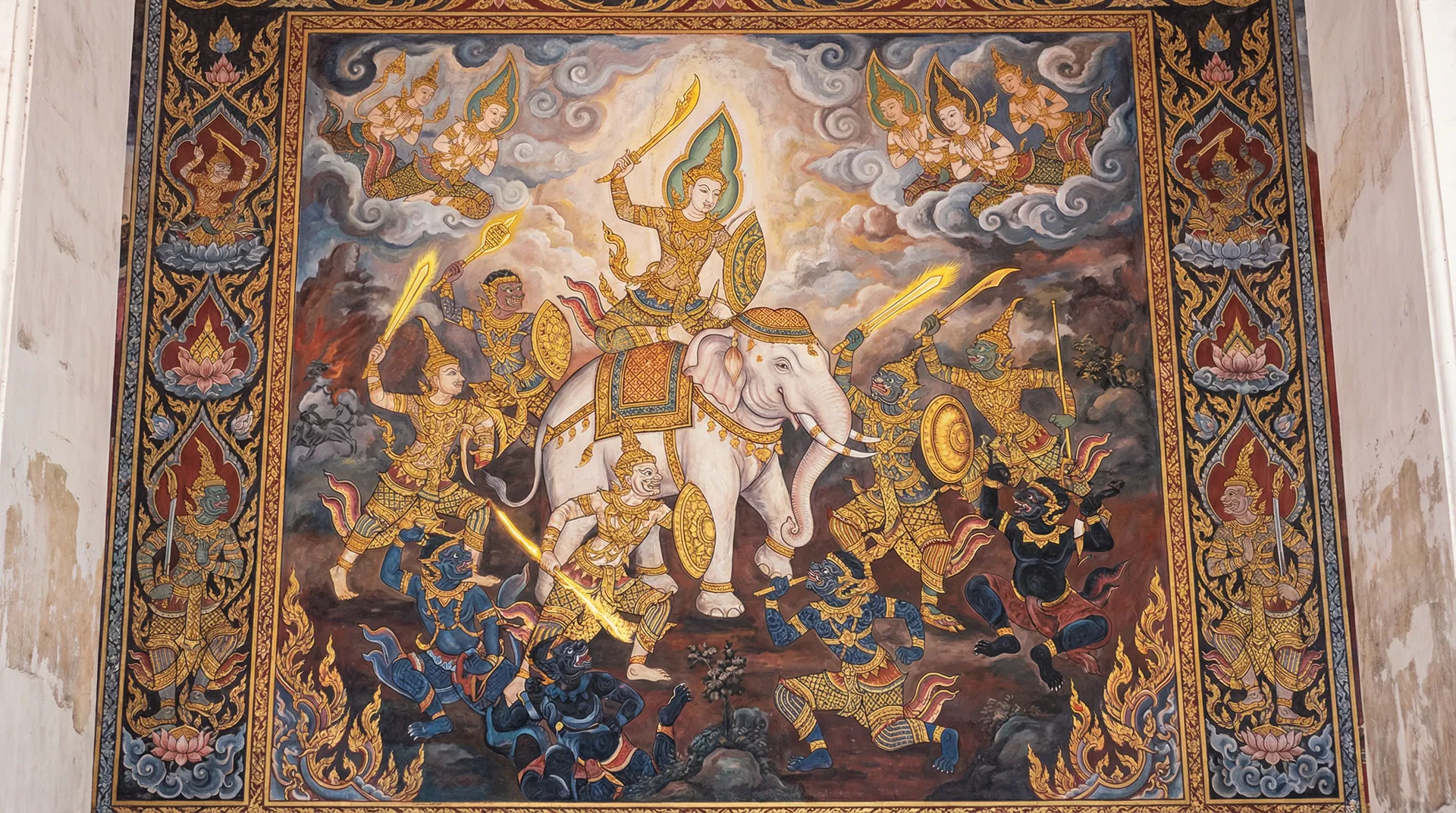 521Mahānipāta
Mugapakkha Jataka
Mugapakkha JatakaIn the ancient kingdom of Mithila, nestled beside the roaring Gandaki River, lived ...
💡 True healing and redemption are found not just in seeking cures for oneself, but in performing selfless acts of compassion and atonement for past wrongs, thereby restoring balance to both the body and the spirit.
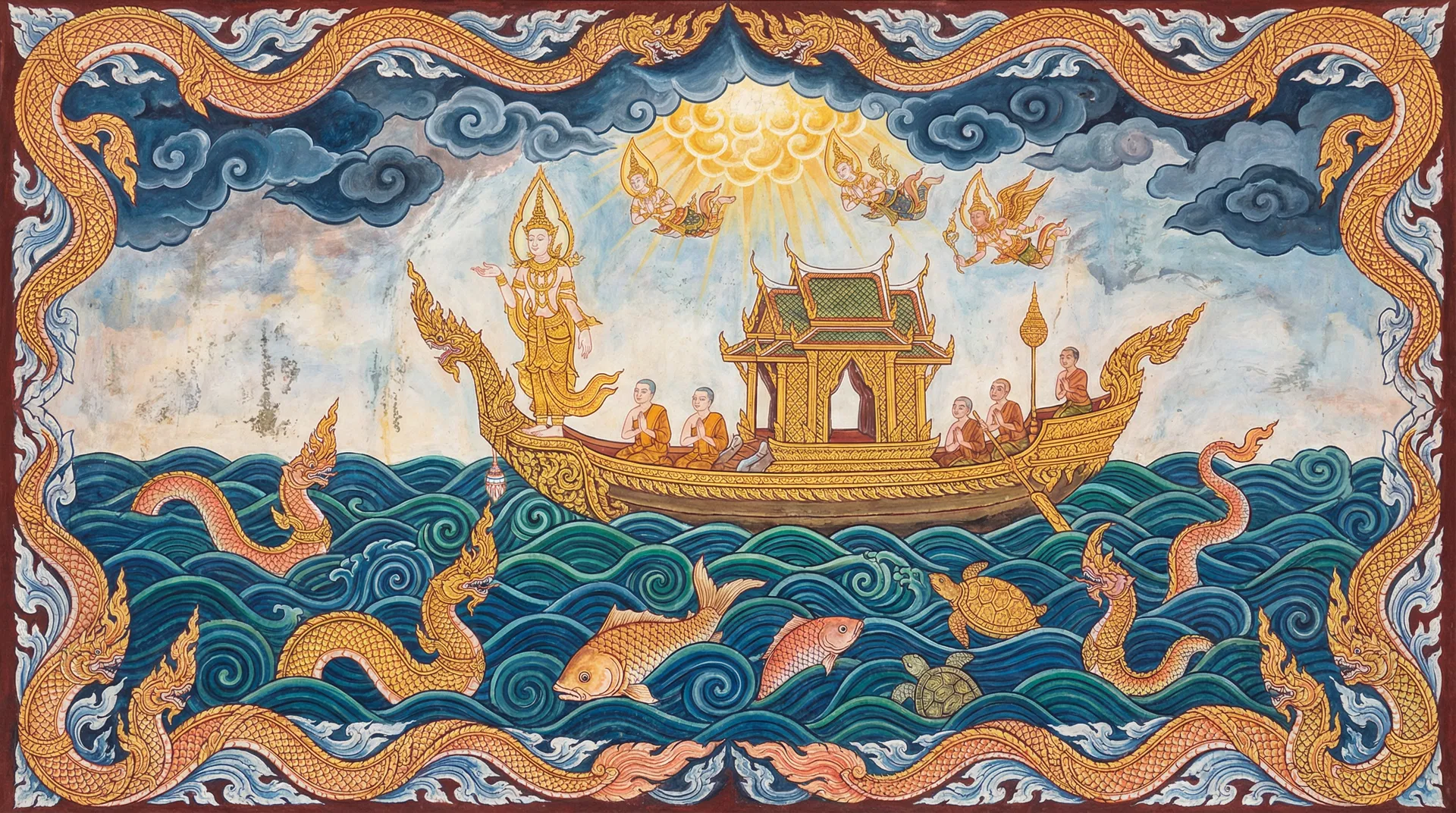 482Terasanipāta
Cūḷaka-Setthi Jātaka
The Tale of the Clever Merchant and the Poor Weaver In the bustling city of Varanasi, famed for its ...
💡 Empowering others through fair partnership and recognizing their potential leads to shared prosperity and lasting success.
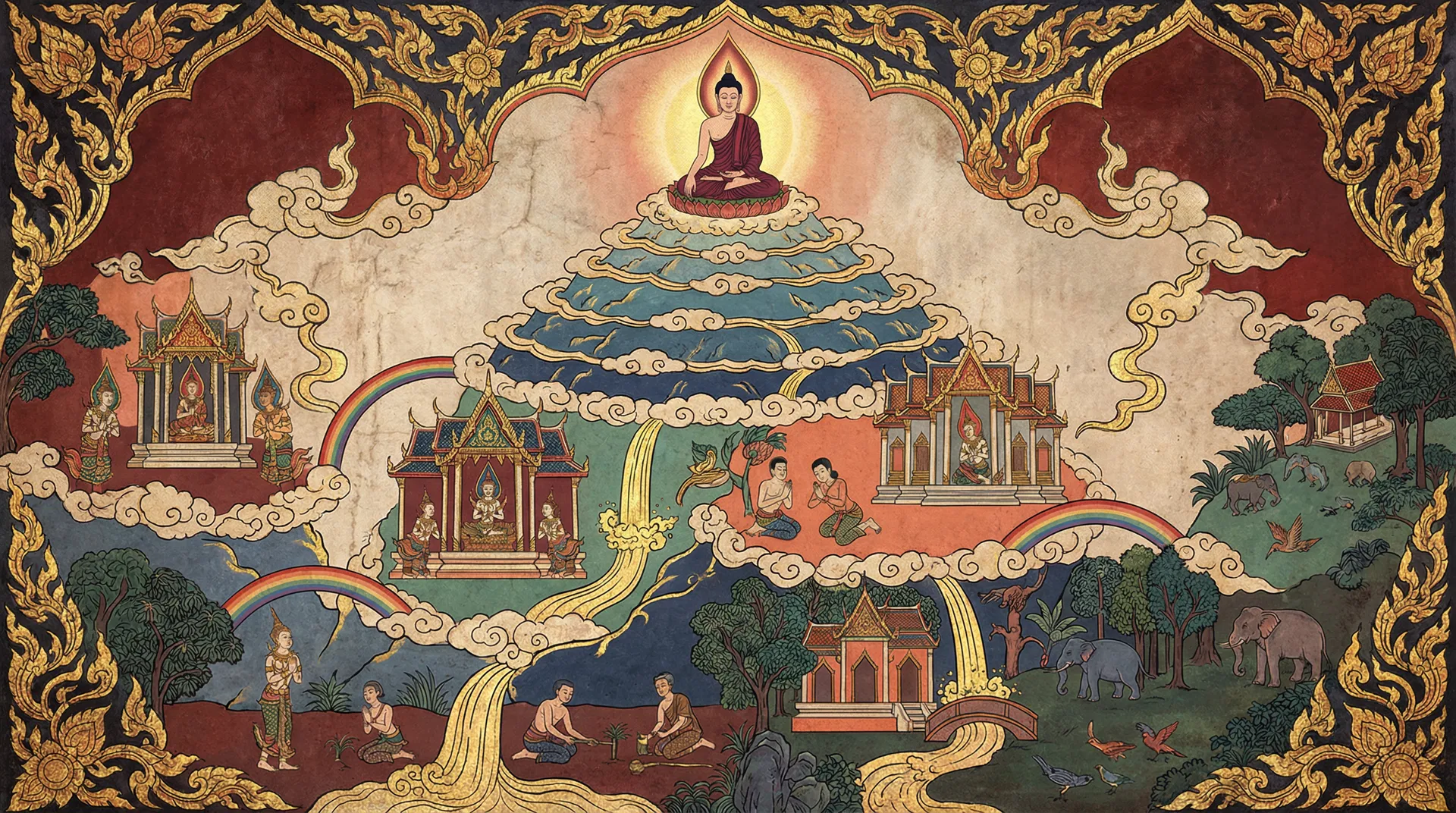 484Pakiṇṇakanipāta
Kaccāni Jātaka
The Tale of the Wise Minister and the Foolish Brāhman In the prosperous kingdom of Mithila, King Ved...
💡 The human mind is the source of all potential and value; cultivating inner wisdom and contentment is the truest form of wealth.
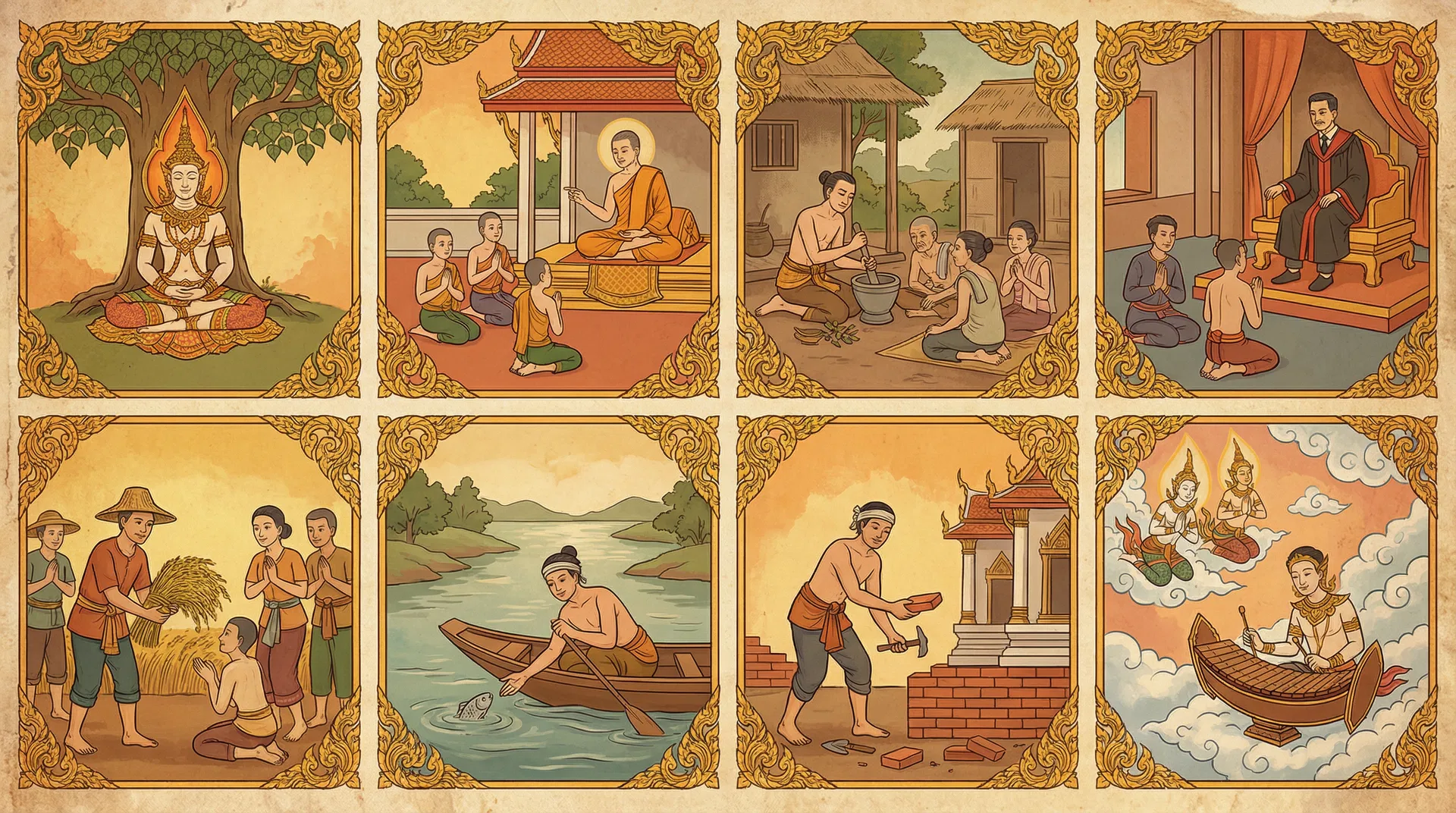 424Aṭṭhakanipāta
Sarabhaṅga Jātaka
Sarabhaṅga JātakaIn the ancient land of Gandhāra, nestled amidst snow-capped mountains and whisperin...
💡 True peace is cultivated from within and achieved through understanding, compassion, and wisdom, not through violence or the imposition of power. Inner resilience is the greatest defense against external aggression.
 464Dvādasanipāta
Mugapakkha Jātaka
Mugapakkha JātakaIn the ancient land of Mithila, a realm renowned for its scholars and philosophers,...
💡 True strength and leadership are demonstrated through courageous actions and unwavering commitment, not necessarily through eloquent speech. Overcoming personal limitations and past karmic consequences requires inner strength and resolute will.
425AṭṭhakanipātaNimi Jātaka
Nimi JātakaIn the prosperous kingdom of Mithila, there once ruled a virtuous king named Nimi. King N...
💡 True happiness and lasting peace are found not in temporary pleasures, however grand, but in the unwavering pursuit of wisdom and liberation from the cycle of suffering. Understanding impermanence is key to making wise choices.
— Multiplex Ad —