
Sujana Jataka
The Tale of the Kindhearted King
In the opulent kingdom of Mithila, a land blessed with fertile plains and prosperous trade, reigned a king of unparalleled virtue. This king, a Bodhisattva in his present existence, was known throughout the known world for his boundless kindness, his unwavering generosity, and his profound sense of justice. His heart was a boundless ocean of compassion, and his actions were always guided by the welfare of his subjects, and indeed, all sentient beings.
One sweltering summer, a terrible famine struck the land. The skies remained stubbornly clear, the rivers dwindled to trickles, and the fields lay parched and barren. The people of Mithila, accustomed to abundance, faced starvation. Despair began to grip the kingdom, and the once-vibrant markets fell silent. The king, witnessing the suffering of his people, was deeply distressed. He convened his advisors, his brow furrowed with concern.
"My lords," the king declared, his voice resonating with sorrow, "our people are starving. Our granaries are empty. What can we do to alleviate this suffering?"
His advisors, though loyal, were practical men. "Your Majesty," the chief minister said respectfully, "we have distributed all available food. The royal treasury is depleted. We have no more resources to offer."
The king listened, his heart heavy. He knew that his people looked to him for salvation, and he could not bear to see them perish. He spent sleepless nights pondering the problem, his mind seeking a solution that transcended mere material wealth.
One morning, as the sun cast long shadows across the royal gardens, the king had an idea. He called for his most trusted artisans and instructed them to create magnificent golden statues of himself, not in regal attire, but in simple robes, holding out his hands in a gesture of offering. He then ordered these statues to be placed at the entrance of the royal palace and in the busiest marketplaces.
"What is the meaning of this, Your Majesty?" the ministers asked, puzzled. "Are these statues to appease the gods?"
"No, my friends," the king replied with a gentle smile. "These statues represent my commitment. They are a reminder that I am willing to give everything, even my own image, my own likeness, for the sake of my people."
The king then made a radical proclamation. He declared that anyone in need could come to the palace, and if they were truly starving, they would be given sustenance. However, to ensure that the gifts were given only to those in genuine need, and to prevent any deceit, he devised a peculiar system. He instructed his guards to offer each supplicant a single, perfectly crafted golden coin, identical to those that adorned the statues. If the person accepted the coin with humility and gratitude, they would be given food. If they showed arrogance or greed, they would be turned away.
The people were astonished. They saw the golden statues and understood the king's immense sacrifice. Many, though hungry, felt ashamed to accept the king's golden likeness. They only came forward if their hunger was unbearable. To their surprise, when they accepted the coin with genuine need and humility, they were led to the royal kitchens, where they were given generous portions of wholesome food. The guards would then take the golden coin back, to be melted down and recast, ensuring the king's gesture of generosity could continue.
The king's act of profound selflessness became legendary. He gave away his jewels, his royal garments, even portions of his palace to feed his people. He lived a life of extreme austerity himself, dining on simple gruel, while ensuring his subjects had enough to eat. His kindness was not merely superficial; it was a deep-seated commitment to the well-being of all living beings.
The famine eventually passed, and Mithila was restored to its former prosperity. But the memory of the kindhearted king's sacrifice endured. He had taught his people that true leadership lies not in power or wealth, but in boundless compassion and the willingness to give everything for the sake of others. His actions became a timeless example of how generosity, when rooted in genuine kindness, can overcome even the most devastating of crises.
— In-Article Ad —
💡ၶေႃႈသွၼ်
ຄວາມເມດຕາ, ຄວາມສະຫຼາດ, ແລະ ຄວາມກ້າຫານ ສາມາດຊ່ວຍເຫຼືອຜູ້ອື່ນໄດ້.
ပႃႇရမီႇ: ຄວາມເມດຕາ (Metta)
— Ad Space (728x90) —
ၸႃႇတၵဢၼ်ၼႃႈသူၼ်ၸႂ်
180Dukanipātaၵေႃႉႁဵၼ်း ၸဝ်ႈၵေႃႉ
ၵ່ອນ႐ႈၵေႃႉ ၵေႃႉ ၵေႃႉ ၵေႃႉ ၵေႃႉ ၵေႃႉ ၵေႃႉ ၵေႃႉ ၵေႃႉ ၵေႃႉ ၵေႃႉ ၵေႃႉ ၵေႃႉ ၵေႃႉ ၵေႃႉ ၵေႃႉ ၵေႃႉ ၵေႃႉ ၵေႃႉ...
💡 ความโลภและความทะเยอทะยานที่ไร้ขอบเขต ย่อมนำมาซึ่งความหายนะ
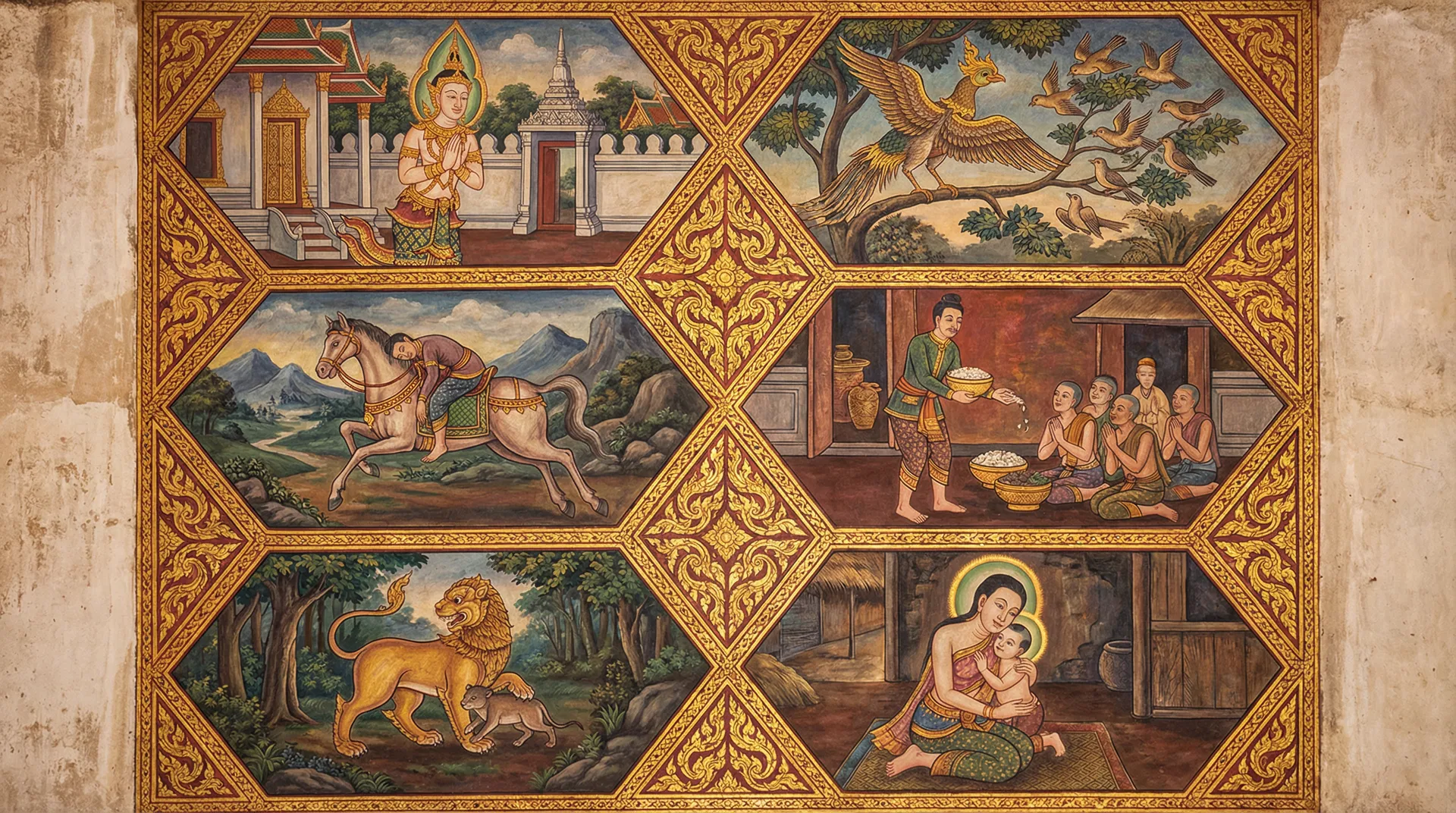 387Chakkanipāta
Sutasoma Jataka
Sutasoma JatakaIn a kingdom nestled between whispering mountains and a shimmering sea, there lived a...
💡 อย่าหลงเชื่อคำพูดใครง่ายๆ ควรใช้ปัญญาไตร่ตรองให้รอบคอบก่อนตัดสินใจ การเชื่อคนพาลนำมาซึ่งความเดือดร้อน การมีสติและพิจารณาอย่างรอบคอบคือหนทางแห่งความปลอดภัย
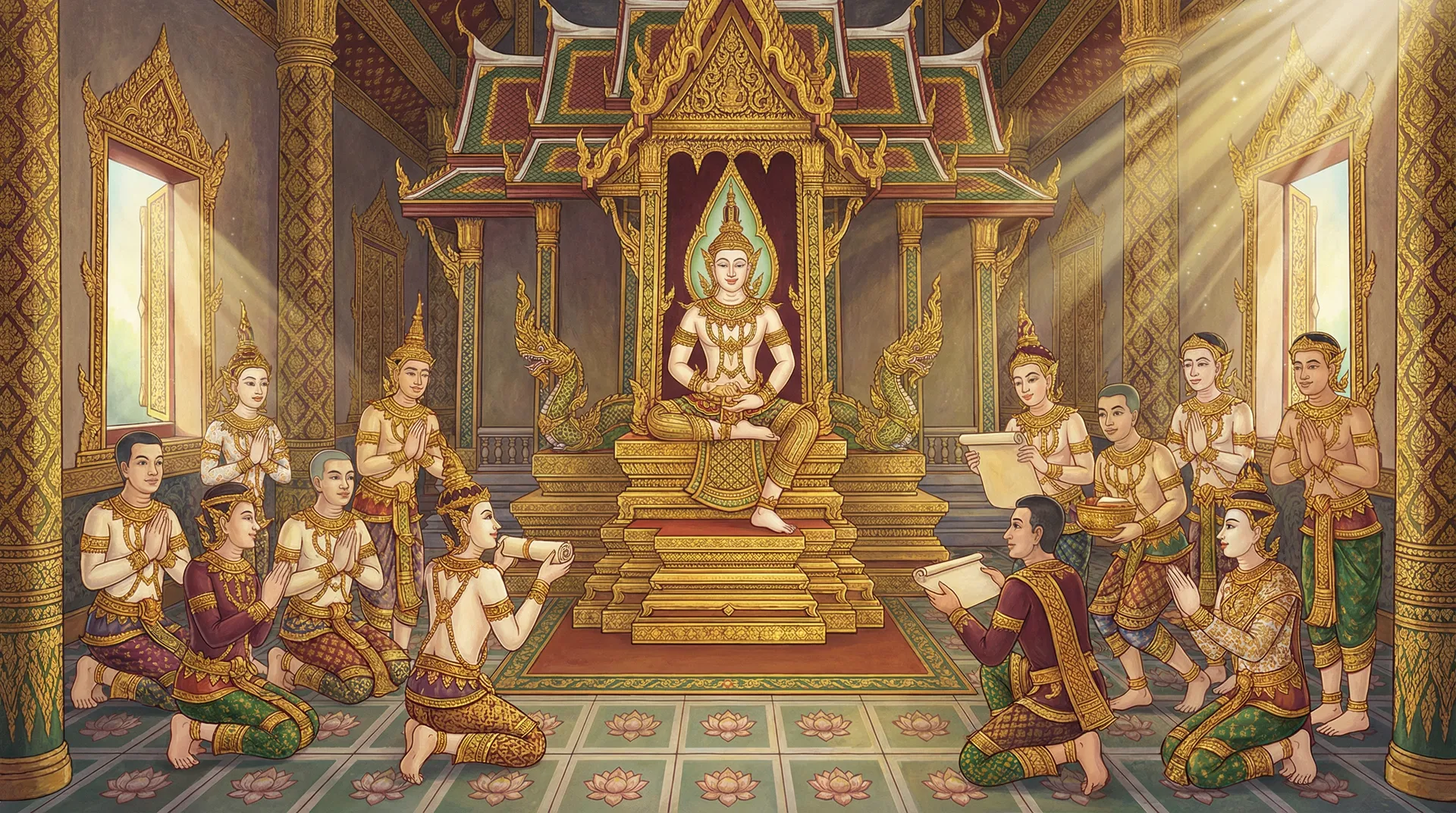 513Vīsatinipāta
ၵေႃႉႁႃႉပဵၼ်ႁႃႉဢႅႃႉၵေႃႉ
ၼႂ်းႁိူင်းပၢႆႊဢၼ်တႅၼ်းတႅၼ်း ဢၼ်ၼႄးပဵၼ်ၼႄးပဵၼ်ၵႂၢင်းဢၼ်ပႅတ်ႇပႅတ်ႇ ၵႂၢင်းဢၼ်ႁႃႉဢႅႃႉၵေႃႉ ဢၼ်ႁႃႉဢႅႃႉၵေႃႉ...
💡 ความรักและความใส่ใจเป็นสิ่งสำคัญที่ทำให้สิ่งต่างๆ สมบูรณ์และงอกงามขึ้นได้ ทั้งต่อพืช สัตว์ และมนุษย์
 295Tikanipāta
မႁႃႊသု႐ႊႎၑ႗ၐ႗
မႁႃႊသု႐ႊႎၑ႗ၐ႗ ၵ່ ...
💡 လူမိုက်နဲ့ ပေါင်းသင်းရင် ဒုက္ခရောက်ပြီး ပျက်စီးရမယ်။ ပညာရှိနဲ့ ပေါင်းသင်းပြီး သီလနဲ့အညီ ကျင့်သုံးရင် ချမ်းသာတိုးတက်မယ်။
 345Catukkanipāta
ၵူၼ်းပဵၼ်ၵူၼ်းဢၼ်ၼႄးၵူၼ်း
ပွၵ်ႈၵႂၢင်း ၵူၼ်းပဵၼ်ၵူၼ်းဢၼ်ၼႄးၵူၼ်း ၼႆႉ ၵႂၢင်းၼႄး ၵူၼ်းပဵၼ် ၵူၼ်းဢၼ်ၼႄးၵူၼ်း ၼႄး ၵူၼ်းပဵၼ် ၵူၼ်းဢၼ...
💡 อคติเป็นเครื่องบั่นทอนความยุติธรรม การตัดสินใจโดยปราศจากอคติ และยึดมั่นในธรรมะ ย่อมนำมาซึ่งความสงบสุขและความเจริญ
319Catukkanipātaမ
မႁႃ႐ႃႲႲႄႰႱ ၵႃႱႹႱႹႱႹႱ ၽွင်းႹႱႹႱႹႱ ႹႱႹႱႹႱ ႹႱႹႱႹႱ ႹႱႹႱႹႱ ႹႱႹႱႹႱ ႹႱႹႱႹႱ ႹႱႹႱႹႱ ႹႱႹႱႹႱ ႹႱႹႱႹႱ ႹႱႹႱႹႱ ႹႱႹ...
💡 ความเข้มแข็งที่แท้จริงนั้น มิได้อยู่ที่กำลังกายเพียงอย่างเดียว แต่อยู่ที่สติปัญญา ความกล้าหาญ และความสามัคคี
— Multiplex Ad —