Kusa Jataka
Kusa Jataka
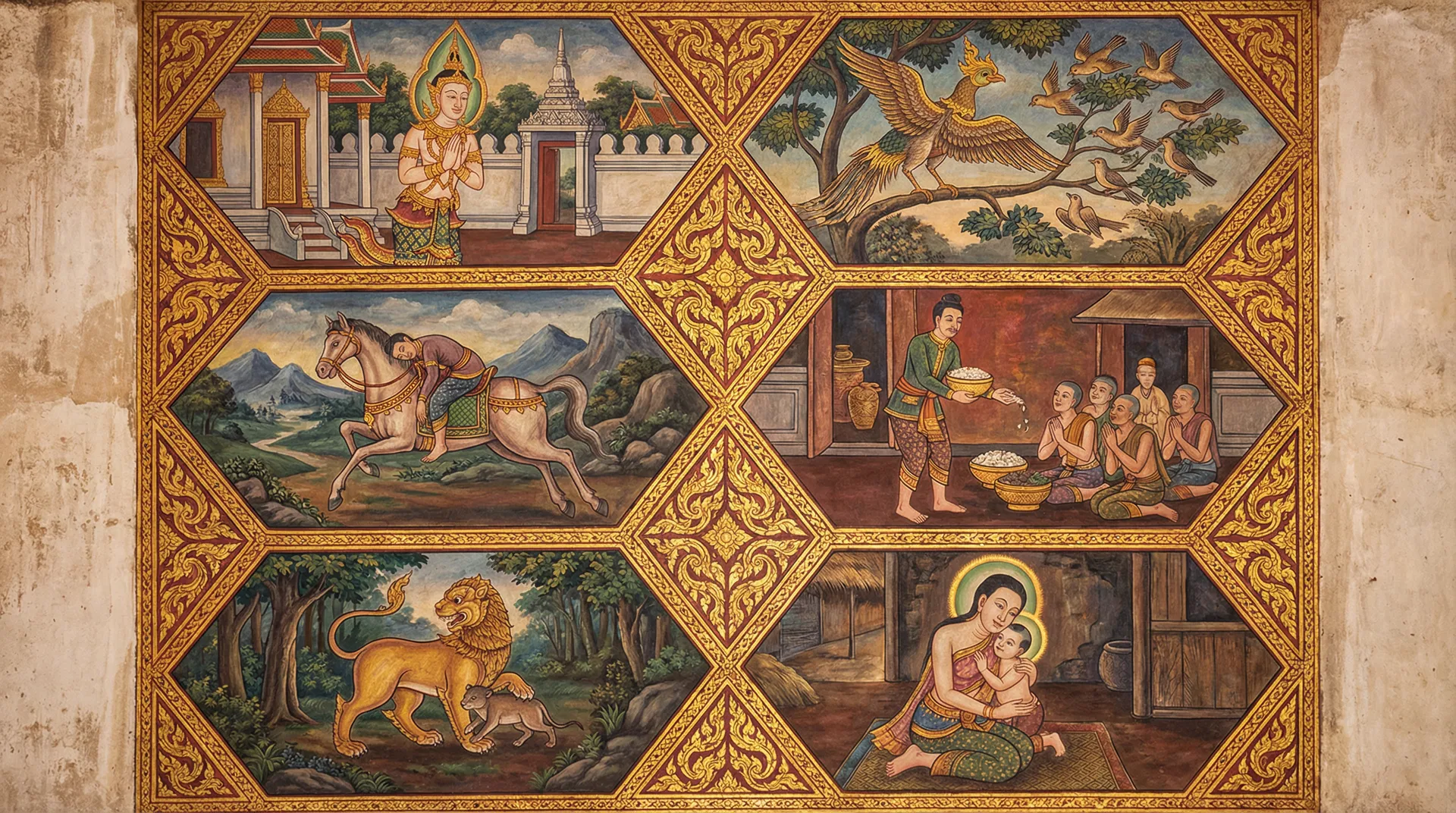
In the ancient kingdom of Mithila, ruled a benevolent king named Sudassana. His reign was characterized by justice, peace, and prosperity. He was a just ruler, always concerned with the welfare of his subjects, and his heart was filled with compassion. However, like all beings bound by the cycle of karma, even King Sudassana was not immune to the trials and tribulations of life. One day, a bitter rivalry arose between the king and a neighboring king, King Kalabhu. The conflict escalated, leading to a devastating war that ravaged the land and brought immense suffering to the people. In the midst of this turmoil, King Sudassana was captured by King Kalabhu and imprisoned. The enemy king, consumed by hatred and vengeance, treated King Sudassana with extreme cruelty. He was confined to a dark, desolate dungeon, deprived of food and water, and subjected to constant humiliation. Yet, even in his direst circumstances, King Sudassana did not succumb to despair. His mind remained steadfast, anchored by his virtuous principles and his unwavering faith. He recalled the teachings of the Dharma, the importance of equanimity, and the power of inner strength. He practiced patience and forbearance, refusing to harbor any ill will towards his captor. He understood that King Kalabhu was also a victim of his own negative karma, driven by greed and hatred. Meanwhile, back in Mithila, the queen, a woman of great courage and devotion, was deeply distressed by the king's disappearance. She refused to believe that her beloved husband was gone forever. She learned of his capture and imprisonment and was determined to rescue him. She consulted with the king's loyal ministers and devised a plan. Disguising herself as a humble mendicant, the queen embarked on a perilous journey to the enemy kingdom. She faced numerous obstacles and dangers along the way, but her resolve never wavered. Upon arriving at the enemy capital, she managed to infiltrate the palace and reach the vicinity of the prison. Through her cleverness and persistence, she gained access to the dungeon where the king was held captive. She found King Sudassana weak and emaciated, but his spirit remained unbroken. With tears of joy and sorrow, they were reunited. The queen, using her resourcefulness, managed to secure some food and water for the king and began to nurse him back to health. However, their escape from the heavily guarded prison seemed impossible. They were trapped, facing the wrath of King Kalabhu should their presence be discovered. It was then that King Sudassana, drawing upon his inner strength and wisdom, devised a plan. He remembered the teachings about the impermanence of all things and the power of truth. He asked the queen to approach King Kalabhu and, in his name, propose a truce based on a righteous principle. He instructed her to speak of the suffering caused by their war and the futility of hatred. He wanted to appeal to any shred of compassion that might still exist within King Kalabhu. The queen, despite her fear, bravely carried out the king's instructions. She approached King Kalabhu and spoke eloquently of the devastation their conflict had wrought, of the innocent lives lost, and the suffering of their people. She conveyed King Sudassana's willingness to lay down his arms and seek a peaceful resolution, provided King Kalabhu would release him and cease hostilities. King Kalabhu, who had been blinded by his rage, was taken aback by the queen's courage and the truth of her words. He had not expected such a dignified plea from his captive. The queen's sincerity and the stark reminder of the suffering caused by their war began to stir something within him. He reflected on his own actions and the destruction he had wrought. He realized the emptiness of his hatred and the futility of his quest for vengeance. Slowly, his anger began to dissipate, replaced by a sense of remorse. He agreed to meet with King Sudassana. The two kings met, not as adversaries, but as men seeking peace. King Sudassana, despite his suffering, spoke with kindness and understanding, emphasizing the importance of reconciliation and the shared responsibility they had for their people's well-being. He did not seek revenge but offered forgiveness and a path towards healing. King Kalabhu, humbled and ashamed, confessed his wrongdoings and sought forgiveness from King Sudassana. He released the king and agreed to a lasting peace treaty, vowing to rule with justice and compassion henceforth. King Sudassana returned to Mithila a hero, not just for his valor, but for his profound wisdom and his ability to transform an enemy through forgiveness and understanding. He ruled his kingdom with even greater compassion, ensuring that the lessons learned from his ordeal would never be forgotten. The story of King Sudassana and his queen became a timeless tale, illustrating the power of patience, courage, forgiveness, and the transformative nature of righteous principles even in the face of extreme adversity. It showed that true victory lies not in vanquishing an enemy, but in transforming them through compassion and understanding.
True strength lies not in retaliation, but in patience, forgiveness, and the power of righteousness to transform even the most hardened hearts.
— In-Article Ad —
💡Moral of the Story
Patience, forgiveness, and righteous principles can overcome hatred and transform enemies into friends.
Perfection: Patience (Khanti)
— Ad Space (728x90) —
More Jataka Tales You May Enjoy
 543Mahānipāta
Kusa Jātaka
The King Who Found True LoveIn the opulent city of Bhaddanagarā, ruled a king named Kusa. He was a m...
💡 True love and genuine connection are more valuable than titles or possessions, and deception and jealousy ultimately lead to ruin.
 460Ekādasanipāta
Vidhurap paṇḍita Jātaka
Vidhurap paṇḍita JātakaIn the ancient city of Indapatta, capital of the Kuru kingdom, there lived a ...
💡 Righteousness, truth, and compassion are the greatest treasures. True wisdom can overcome malice and bring about peace and understanding.
 486Pakiṇṇakanipāta
Mūkapacca Jātaka
Mūkapacca JātakaIn the ancient city of Varanasi, nestled beside the sacred River Ganges, lived a kin...
💡 The deceptive noise of ambition and lies can lead a kingdom to ruin, while the quiet strength of truth and wisdom, though sometimes overlooked, ultimately prevails and brings lasting peace and prosperity.
 447Dasakanipāta
Sujana Jataka
Sujana Jataka In the bustling city of Varanasi, there once lived a merchant named Dhanapala. He was ...
💡 True generosity lies in empowering others with opportunities and resources, fostering their potential and enabling them to achieve self-sufficiency with dignity. Trust and belief in someone's potential can be a powerful catalyst for their success.
 423Aṭṭhakanipāta
Daddabha Jātaka
Daddabha JātakaIn the verdant kingdom of Mithila, ruled a king named Brahmadatta, a monarch renowned...
💡 Mastery over one's emotions, particularly anger, is a sign of true strength and wisdom. By cultivating patience and mindfulness, one can transform destructive impulses into constructive actions.
 435Navakanipāta
Saddanta Jataka
Saddanta JatakaIn the magnificent city of Pupphavati, renowned for its vibrant marketplaces and perf...
💡 True generosity lies in selfless giving, even at great personal cost. Compassion and forgiveness can transform even the most greedy and envious hearts, leading to spiritual awakening.
— Multiplex Ad —